
Ultimate Matches Sffarehockey Fan Guide 2026
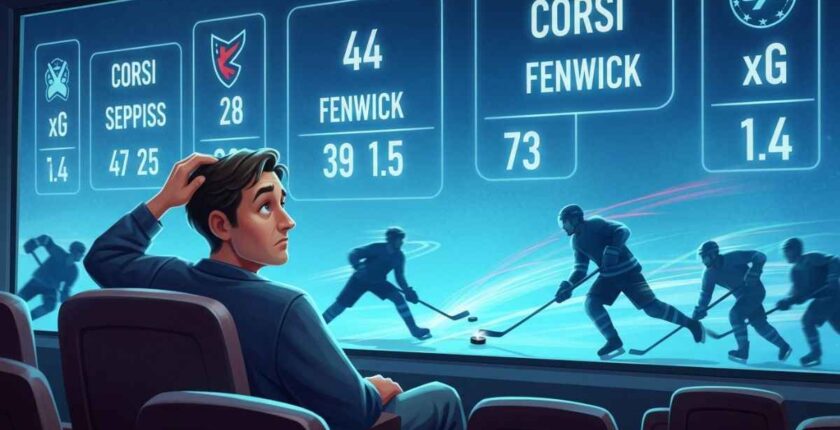
You feel lost when looking at hockey scores. The numbers on the screen often feel like a puzzle. You see “Corsi” or “Fenwick” and feel confused. It is hard to know which team played better. You want to understand the game like a pro. This guide solves those problems for you. I will help you read these matches easily. You will soon see the hidden patterns on the ice. We will turn your confusion into clear knowledge today.
Why Matches Sffarehockey Data Often Feels Overwhelming
Many fans look at a final score and feel cheated. Your team had forty shots but still lost the game. This happens because not all shots are the same. High-speed games move too fast for the human eye alone. Statistics help us slow down the action to see truth. We track where players move and how they pass. This data tells us if a win was lucky. It also tells us if a loss was just bad luck.
Understanding Shot Quality Over Total Volume
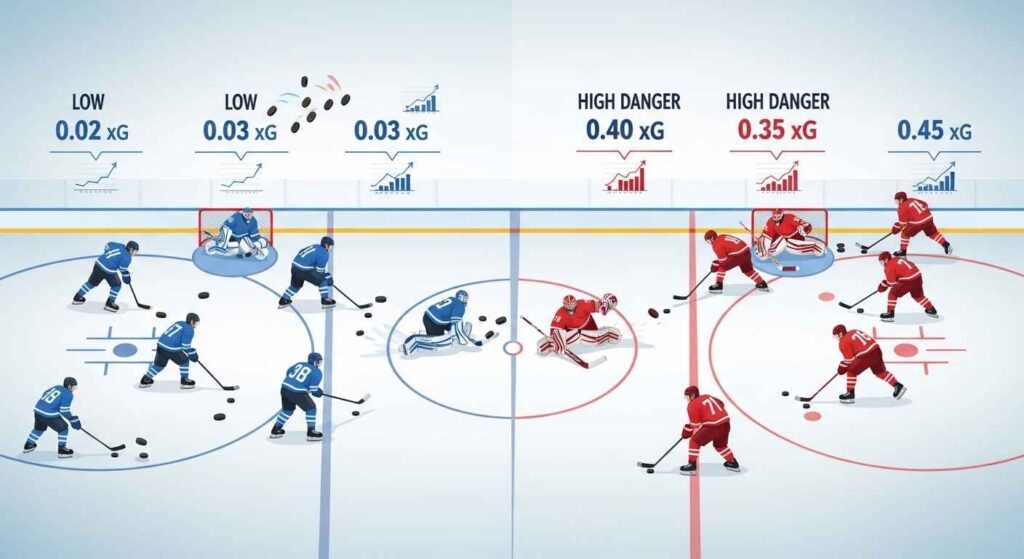
Most people think more shots always mean a better team. This is a common mistake that leads to frustration. Ten shots from the blue line are not very dangerous. One shot from the “slot” is worth much more. The slot is the area right in front of the net. Matches are won in this small, high-pressure space. Always check how many “high-danger” chances a team created. This number tells you who really controlled the game flow.
The Math Behind Expected Goals
We use “Expected Goals” or xG to measure shot value. It assigns a number to every shot based on distance. A shot from center ice has a very low xG. A shot from the crease has a high xG value. If a team has an xG of five but zero goals, they were unlucky. This math helps you see who deserved to win the match. It removes the mystery from a strange or surprising final score.
How Goalie Performance Changes Everything
A goalie is the most important person on the ice. Their stats can be the most confusing of all. A high save percentage looks good on paper. But did they face easy shots all night? We use “Goals Saved Above Expected” to find elite talent. This metric looks at the quality of every shot faced. It proves if a goalie actually robbed the other team. It removes the credit given to a strong defense.
Deep Dive into Goalie Rebounds and Recovery
A great goalie must control where the puck goes after a save. This is called rebound control. If they kick the puck into the slot, it is dangerous. We track “Rebound Frequency” to see who stays calm under pressure. Recovery time is how fast they get back on their feet. If a goalie is slow to get up, they will give up goals. These small details separate average players from the true stars.
How Matches Sffarehockey Tracks Possession and Turnovers
Puck possession is the heart of every winning strategy. If you have the puck, the other team cannot score. We measure this using shot attempt differentials during play. Turnovers are the biggest enemies of a clean game. A giveaway happens when a player loses the puck. A takeaway is when a player steals it back. Most goals happen right after a bad turnover occurs. Teams that play “heavy” force many turnovers in the corners.
The Impact of Special Teams and Faceoff Control
Games are often won or lost on special teams. This refers to power plays and the penalty kill. Every play in a match starts at the dot. Winning a faceoff gives your team the puck immediately. If Team A wins 60% of draws, they dictate play. A great power play moves the puck like a magnet. They look for the “seam pass” through the defense. Check the success rate for both units after every game.
Identifying Hidden Momentum Shifts
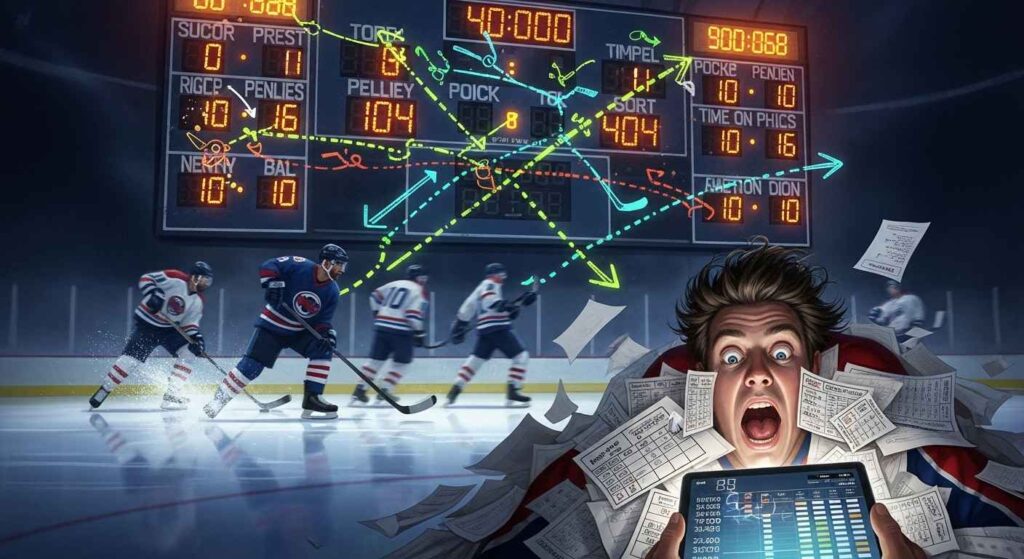
Matches have a rhythm that data can track for us. A big hit or a blocked shot changes energy. You can see this in the “Shot Momentum” charts. These charts show which team is attacking at each minute. Sometimes a team dominates for ten minutes but does not score. Then, the other team scores on one lucky break. Recognizing these shifts helps you stay calm during tough games. You will know if your team is still playing well.
Watching Player Speed and Shift Length
Modern hockey is faster than it has ever been before. Players take short shifts to keep their speed high. Most shifts last between forty and forty-five seconds. If a player stays out longer, they become very slow. Opponents look for these tired players to attack them. Data now tracks the top speed of every single skater. Seeing a burst of speed can signal a goal is coming.
Solving the Mystery of the Neutral Zone Trap
Sometimes a game feels very slow and boring to watch. This is often due to the “Neutral Zone Trap” strategy. One team stands in the middle to block all passes. They do not want to attack; they want to wait. This forces the other team to make a bad mistake. Fans often get frustrated by this “clogged” style of play. Understanding this tactic helps you see the chess match happening.
Modern Defensive Strategies and Shot Suppression
Stopping a shot before it happens is the best defense. Coaches look at “Shot Suppression” to grade their defenders. This involves closing the “gap” between players. A good defender keeps their stick in the passing lane. This prevents the puck from reaching the dangerous slot area. If a team faces only twenty shots, the defense did great. Look at “Time on Ice” to see which defenders are trusted most.
Using Predictive Tools for Future Matches
You can use yesterday’s numbers to guess tomorrow’s scores. If a team is playing well but losing, they will win soon. This is called “Regression to the Mean” in the stats world. Luck eventually runs out for every lucky team. The data helps you see which hot streaks are real. It also identifies which slumps are about to end. This makes watching the next match much more exciting.
Why Venue and Travel Matter for Performance
Teams traveling across the country often start games slowly. Fatigue is a real factor that data helps us measure. Home teams get to pick the last player match-up. This is a huge advantage for the home coach. They can put their best defenders against the star scorers. Always check if a team is on a long road trip. It explains why their energy might seem lower than usual.
The Evolution of the Game in 2026
Hockey is changing to favor skill and smart passing. The “Dump and Chase” style is dying out slowly. Teams now prefer to carry the puck over the line. This creates more controlled entries and better scoring looks. Analytics have proven that carrying the puck is more effective. You can see this change in the yearly league stats. Every match in 2026 feels faster because of this shift.
Finding Reliable Sources and Heat Maps
Not all websites give you the full story of a game. Some only show basic goals and many advertisements. You need sites that offer “Heat Maps” and “xG” data. Heat maps show where most actions happen on the ice. A “Cold” defensive zone means the team stayed away from the net. Using high-quality data sources makes you a smarter fan. You can speak with confidence when debating with friends.
Measuring Individual Impact with On-Ice Percentage
Sometimes a player does not score but still helps a lot. We look at what happens while they are on the ice. If the team shoots more when Player A is out, he is good. This is called “Relative Performance” in advanced hockey circles. It finds the quiet heroes who do the hard work. These players often win games by making small, smart plays every shift.
Evaluating Coaching Decisions Through Match Data
Coaches make many choices that change the final score. They decide which lines play against the opponent’s best stars. Data shows if these “Matchups” worked well during the game. If a coach puts a slow line against a fast one, it fails. Smart fans watch these changes to see who is winning the bench battle. It adds a whole new level of fun to every game.
Understanding the Physicality of the Modern Game
Hitting is still a part of hockey, but it has changed. Players now hit to win the puck, not just for pain. A “Clean Hit” separates the player from the rubber disc. This creates a quick chance for the hitting team to attack. Too many hits can actually mean your team is slow. It means you are always reacting instead of acting first.
Analyzing Zone Entry Styles and Their Success
How a team enters the offensive zone tells a big story. Carrying the puck in leads to twice as many shots. Dumping the puck in is safer but less effective for scoring. We track “Successful Zone Entries” for every forward line. The best lines move the puck like a fast-moving train. They use speed to back up the defenders and find open space.
The Secret to Line Chemistry and Roles
Coaches group players into lines for specific reasons. Usually, a line has a “Grinder,” a “Sniper,” and a “Playmaker.” The grinder wins the puck in the dirty corners. The playmaker finds the open lane with a smart pass. The sniper finishes the play with a hard, accurate shot. When these roles fit together, the team becomes very dangerous. Seeing these roles helps you understand why some lines never score.
How Injury Data Impacts Match Predictions
Hockey is a tough sport where players get hurt often. Missing one star player can change the whole team’s balance. We look at “Line Chemistry” to see how teams adjust to injuries. Sometimes a young player steps up and plays even better. Other times, the whole team struggles to find a new rhythm. Knowing the injury list is key to understanding the match stats.
The Psychology of Late Game Pressure
The final five minutes of a match are the most intense. Teams that are trailing often pull their goalie for an extra skater. This creates a six-on-five situation that is very risky. Data shows that most teams score more during these desperate times. However, they also give up many empty-net goals to the other side. It is a high-stakes gamble that makes the end of games exciting.
Looking at Team Depth and Secondary Scoring
One star player cannot win a whole match alone. You need “Secondary Scoring” from the third and fourth lines. These players are the unsung heroes of long winning streaks. If the top stars are having a bad night, the depth must step up. We track the scoring of every line to see team balance. A balanced team is much harder for opponents to defend against.
The Impact of Penalties on Game Flow
Taking a penalty is like giving the other team a free gift. It forces your best players to defend instead of attacking. This creates “Fatigue” that shows up later in the match. Teams with high discipline usually have better energy in the third period. They spend less time chasing and more time controlling the puck. Avoiding the penalty box is a secret key to winning games.
You May Also Like: Blueflame Publishingnet Exposed: What Authors Must Know
Conclusion
Understanding match data turns you into an expert fan quickly. You no longer have to guess why a team lost a game. You can look at the numbers and see the true story clearly. From shot quality to goalie saves, every stat has a purpose. Use these tools to enjoy the fast-paced world of hockey in 2026. You will find that the game is much richer when you know the details.
Frequently Asked Questions About Matches Sffarehockey
What is the best way to start learning Matches Sffarehockey stats?
Start with shots on goal and then look at where those shots happened. Focus on the slot area to see which team had the best chances.
Why does possession matter more than hitting?
If you have the puck, you are in control of the score. Hitting is a defensive tool used when you have already lost the puck.
How do I know if a goalie is playing well?
Look at their high-danger save percentage rather than just total saves. A good goalie stops the shots that should have been goals.
What makes a power play effective in 2026?
Quick puck movement and cross-crease passes are the keys to success. Moving the goalie from side to side creates the best scoring looks.
Does playing at home really help a team win?
Yes, because the home coach gets the last player change. This allows them to match their best defenders against the opponent’s scorers.
Disclaimer:
This article is for informational purposes only. While we strive for accuracy in our hockey data and analysis, statistics and rosters are subject to change. This content is not professional sports betting advice or a substitute for official league reporting. Use these insights at your own risk. We are not responsible for decisions made based on this guide. All trademarks belong to their respective owners.