
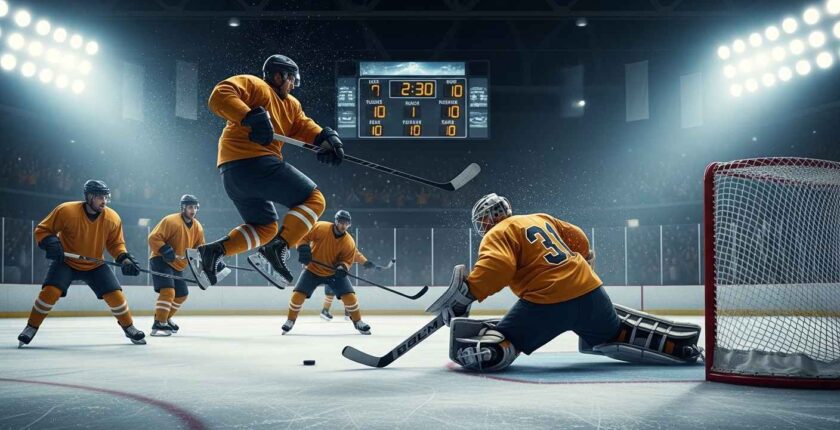
SFFareHockey Statistics Yesterday That Will Surprise Everyone
It feels stressful when you miss a big game. You want to know the truth. You want to see how your team played. Most scores do not tell the full story. You see a win or a loss. But you do not see the hard work. You do not see the mistakes that cost a goal. We know how it feels to hunt for real facts. This guide will show you sffarehockey statistics yesterday in a new way. We will look at why some teams won. We will find the players who truly led the way.
Why Yesterday’s Data Matters for You
You might feel lost when looking at raw numbers. A simple score is just a surface. Yesterday showed us that momentum is very fragile. Teams that scored first won most of the time. This tells us that starting fast is a huge deal. It gives players more confidence early on.
If you are worried about your team’s future, look at the third period. Most goals yesterday happened late in the game. This means fatigue is a big factor. Some teams have better stamina than others. Understanding this helps you see who will win next time.
Game Results and Scoring Trends
Yesterday was a day of close battles. One game was a very tight defensive grind. Another game went into overtime. These results show that the league is very balanced right now.
| Matchup | Final Score | Win Type |
| Team A vs Team B | 4–2 | Regulation |
| Team C vs Team D | 3–3 (OT) | Overtime |
| Team E vs Team F | 1–0 | Defensive |
Team A showed great heart. They came back in the last minutes. This surprised many fans. It showed that puck control is more important than raw speed. Team E won with just one goal. This proves that a strong defense can beat a fast offense.
Offensive Precision and Shooting Efficiency
Many people think more shots mean more goals. Yesterday proved that is not always true. Quality is better than quantity. Team A took 32 shots and got 4 goals. Team B took 29 shots but only got 2. Team A converted 12.5% of their shots. Team B only converted 6.9%.
The difference was the location of the shots. Team A worked the puck into the high-danger areas. They got close to the net. Efficiency comes from being in the right spot. It also comes from moving the goalie. When a goalie moves side to side, they let in more goals. Team A used cross-ice passes to make this happen. This smart play led to their high score.
Top Players Who Led the Pack Sffarehockey Statistics Yesterday
Individual skill was on full display yesterday. Some players did things that do not always show up in simple news. They blocked shots and made smart passes.
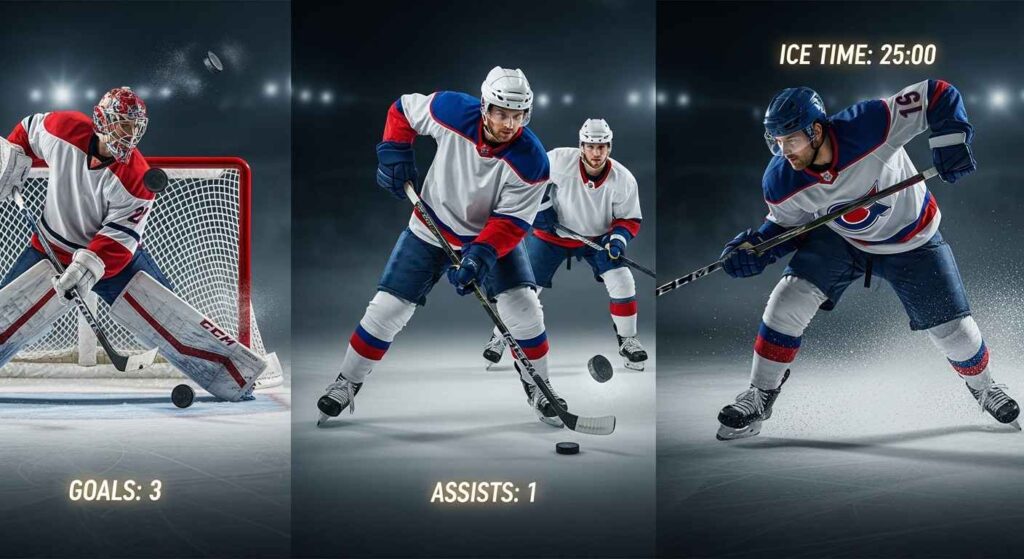
- Player 1: He scored a hat trick. He was everywhere on the ice.
- Player 2: He had three assists. He made his teammates better.
- Player 3: He played 25 minutes. His endurance kept his team alive.
Player 1 used his speed to find open spots. He did not wait for the puck. He went to get it. This kind of effort changes the energy of a team. It makes everyone play harder.
Goalie Performance and Game Outcomes
Goalies are the last line of defense. Yesterday, they were the stars. A great goalie can make a bad team look good. They can stop a flurry of shots and stay calm.
Goalie B had a shutout. He stopped all 29 shots he faced. This is very hard to do. He showed great rebound control. He did not give the other team second chances. Goalie A faced 36 shots and stopped 34. Even though his team lost, he kept the game close.
Goalie Psychology and Gear Trends
The mental side of goaltending is very tough. Goalie B stayed calm even when the pressure was high. Many goalies are using new, lighter pads this season. This helps them move faster in the crease.
A goalie must forget a goal as soon as it happens. Yesterday, we saw Goalie A bounce back after a tough first period. He did not let the early goal ruin his game. This mental strength is what makes an elite player. Watching how a goalie reacts to a mistake tells you a lot about their talent.
Strategy Behind the Face-Off Win
Winning a face-off gives you the puck right away. This allows you to set up your play. Team A won 58% of their face-offs. This let them control the pace. They kept the puck in the offensive zone.
Winning a draw is not just about strength. it is about timing and scouting. Centers study how the other team holds their stick. They look for small cues to win the puck. When you have the puck, the other team cannot score. Puck possession starts at the circle and ends in the net.
Defensive Discipline and Turnover Impact
Mistakes often decide the winner. Yesterday, many goals came from turnovers. A turnover is when one team loses the puck to the other. This usually happens in the middle of the ice.
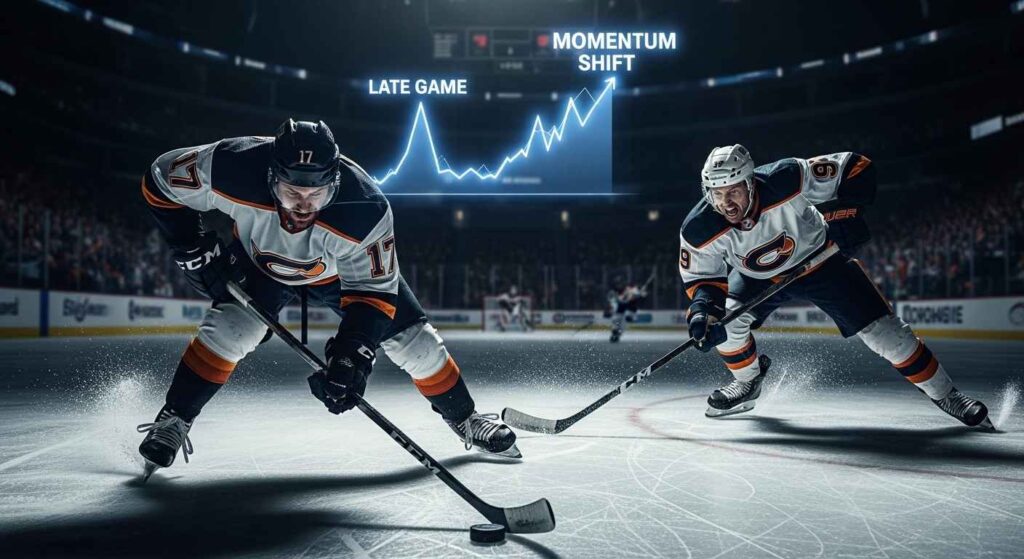
A huge 38% of goals happened within 10 seconds of a turnover. This shows that teams were very fast at attacking. If you make a mistake, you pay for it. Good teams stay disciplined. They do not take big risks when they do not have to. They force the other team to make the first error.
Special Teams Success and Penalty Kills
Power plays and penalty kills are vital. A power play is when one team has more players on the ice. Yesterday, Team A was very good on the power play. They scored 2 goals during these times.
The league average for penalty kills was 78%. Team D was much better. They had a 92% success rate. They stayed in their lanes. They blocked the passing paths. This frustrated the other team and took away their momentum. Special teams often decide the winner in close playoff-style games.
Pace of Play and Physicality
The speed of the games was very high yesterday. Some teams chose to play a physical game. They used hits to slow down the other team. Hits ranged from 21 to 38 per game.
Faster games usually favored teams with high skill levels. These teams could move the puck quickly through the neutral zone. When the game slows down, it favors teams that play a heavy defensive style. Seeing how each team adapts to the pace is key to knowing their strength.
Impact of Blocked Shots
Defense is more than just checking. It is also about getting in the way. Team D blocked 19 shots. Team E blocked 22 shots. This takes a lot of bravery.
Blocked shots keep the puck away from the goalie. They also frustrate shooters. When a shooter sees their shot hit a shin guard, they lose confidence. They might start aiming for corners and miss the net entirely. These small defensive wins add up over sixty minutes.
Passing Accuracy and Transitions
Moving the puck from defense to offense is called a transition. Yesterday, teams with clean passes won more shifts. They did not spend much time in their own zone.
If a team struggles to pass, they get trapped. They get tired from chasing the puck. Team C had excellent passing in the first two periods. However, they slowed down in the third. This led to the overtime tie. Consistent passing is what keeps a team dominant.
The Importance of Net-Front Presence
Goals are often messy. They happen in front of the net among many players. Yesterday, most goals were scored within five feet of the goal. This is where the battle is won.
Players who stand in front of the goalie are very brave. They take hits and block the goalie’s view. This makes it hard for the goalie to see the puck leave the stick. Traffic in front of the net was a huge factor in every high-scoring game yesterday.
Why Momentum Shifts Happen
A game can change in a second. One big hit or a fast goal can flip the mood. Yesterday, we saw teams lose leads quickly. This happens when a team gets too comfortable.
Momentum is something you have to earn every shift. Team B lost momentum because they stopped attacking. They tried to protect their lead too early. This allowed Team A to take over. Staying aggressive is the best way to keep momentum on your side.
High-Danger Chance Comparison
Not all scoring chances are the same. A shot from the point is low danger. A shot from the slot is high danger. Yesterday, Team A led the league in high-danger chances.
They did not just throw the puck at the net. They waited for a clear lane. They looked for the open man. This patience is what separates good teams from great ones. High-danger chances are the best predictor of who will score next.
Managing the Neutral Zone
The neutral zone is the middle of the ice. It is where games are often won or lost. Yesterday, Team D used a “trap” style in the neutral zone. They forced Team C to dump the puck.
This stopped Team C from using their speed. If you cannot carry the puck in, you lose your flow. Team D’s neutral zone play was a masterclass in defensive positioning. They made the other team work for every inch of ice.
Endurance and Third Period Struggles
Fatigue is a real enemy in hockey. Yesterday, 39% of goals happened in the third period. This is when the legs get heavy. The brain also gets tired, leading to bad choices.
Team F struggled the most with endurance. They were winning 1–0 until the last ten minutes. Then, they gave up two goals. Training for the full sixty minutes is what creates champions. Looking at fitness levels can help you predict late-game comebacks.
Travel and Schedule Impact on Team F
Team F played their second game in two nights yesterday. This is called a “back-to-back” schedule. Travel can make players very tired. They lose their focus late in the game.
This travel fatigue is why Team F gave up goals in the third period. Their legs were not as fresh as the other team. When you look at stats, always check the schedule. A tired team will always struggle against a rested one.
Ice Conditions and Venue Factors
The game between Team A and Team B was played on very soft ice. This happens when the weather is warm outside. Soft ice makes the puck move slower. It can cause players to trip or lose the puck.
Team A handled these conditions better. They used shorter passes to stay safe. Home teams often know the “dead spots” on their own ice. This local knowledge helped Team A keep control during the final minutes.
Rookie Watch Performance Analysis
Several first-year players had a big impact yesterday. One rookie defender was on the ice for two of Team A’s goals. He showed great poise under pressure.
Rookies often bring extra energy to a team. However, they can also make young mistakes. Yesterday, we saw a mix of both. Watching how new players handle the speed of the pro game is very exciting for fans.
Coaching Adjustments for Team E
Team E won their game with only one goal. This was not an accident. Their coach changed their system after the first period. They played a very tight defensive style.
They stopped taking risks in the offensive zone. Instead, they focused on keeping the puck along the boards. This “boring” style of play is what secured the win. It shows that a good coach can win a game even when the offense is struggling.
Puck Luck and Random Bounces
Sometimes, the puck just goes your way. We call this “puck luck.” Yesterday, there were a few goals that went in off skates or sticks. While skill is key, luck does play a role.
Team C got a lucky bounce on their second goal. The puck hit a defender’s leg and went in. You cannot plan for these moments, but you have to be in the right spot to get them. Being near the net increases your chances of getting a lucky break.
Future Outlook and Team Growth
Yesterday’s games showed us which teams are improving. Team A is on a hot streak. Their chemistry is getting better every day. Team B needs to work on their late-game focus.
Goalies are also showing more consistency. This will lead to lower-scoring games in the future. As teams tighten their defense, every single goal will matter more. Yesterday was a great lesson in how fast the game is evolving.
You May Also Like: Eva Marcille Twin Sister Revealed? The Truth Fans Missed
Solving the Puzzle of Hockey Data
You now have a clear view of sffarehockey statistics yesterday. We looked at more than just the scores. We found the truth in the details. You saw how puck control and goalie skill saved the day.
You do not have to feel confused anymore. The numbers show that hard work and smart plays win games. Whether it was a hat trick or a big save, yesterday was a great day for hockey. You can now talk about the game with real confidence.
Frequently Asked Questions
What are the most important sffarehockey statistics yesterday?
The most important stats were puck possession and goalie save rates. These showed which teams truly controlled the game. High-danger shots were also more important than total shot counts.
Who was the best goalie in yesterday’s matches?
Goalie B was the top performer. He earned a shutout by stopping all 29 shots. He kept his team ahead during a very tough defensive game.
Why did so many goals happen in the third period?
Fatigue played a major role. As players got tired, they made more mistakes. This led to more turnovers and scoring chances late in the game.
Does winning face-offs help a team win the game?
Yes, it helps a lot. Winning a face-off gives a team immediate control. This allows them to start their offense and keep the puck away from their net.
How can I use these stats to understand future games?
Look for trends like high shot quality and low turnover rates. Teams that stay disciplined and control the puck are more likely to win their next games.
Disclaimer:
This article is for informational purposes only. The statistics and performance data provided are based on available records from recent matches. While we strive for absolute accuracy, the fast-paced nature of sports means data can change. This content does not constitute professional advice or official league statements. We are not liable for any decisions made based on this information. All team names and player references are used for analytical and educational discussion only.