
Ultimate Guide: TheLaptopAdviser Education Laptops
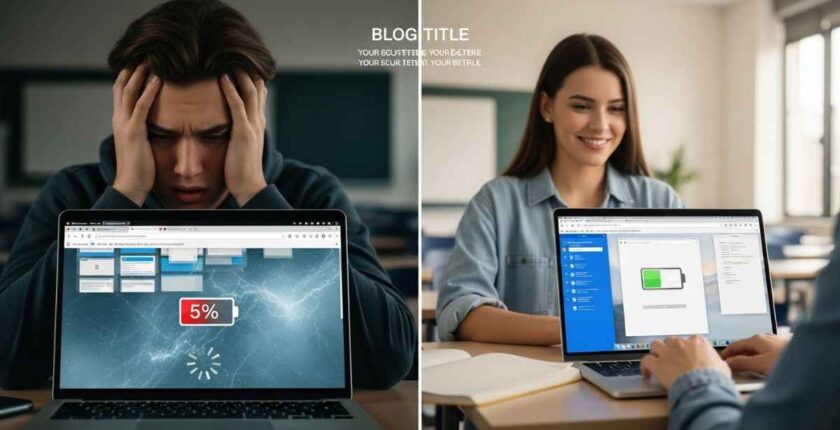
Selecting a new school laptop often feels like a giant puzzle. You might worry about spending too much money on features you do not need. Perhaps you fear your battery will die in the middle of a long lecture. Many students also struggle with slow computers that lag when they open too many tabs. These frustrations are common, but they are easy to fix with the right help. This guide will show you how to find the perfect match for your studies. We will focus on making your school life easier and much less stressful.
Finding the Best thelaptopadviser education laptops for Your Studies
The search for thelaptopadviser education laptops starts with knowing your daily routine. Most students need a tool that is light enough to carry all day. You want a machine that starts fast and stays quiet in a silent library. If your computer is heavy, your back will hurt by the end of the day. If it is too slow, you will lose precious time during busy exam seasons. Finding a balance between a low price and high power is the secret to a happy purchase.
Power and Performance for Your Major
The processor is like the brain of your computer. For most school work, you do not need the most expensive chip. An Intel Core i5 or a Ryzen 5 chip works very well for writing and research. These chips help you run many programs at the same time without any freezing. If you study English or History, you can use a lighter, simpler laptop. Engineering students often need a separate graphics card to run 3D design software. Always choose a brain that fits what you actually do in your classes every day.
Why Memory Makes a Big Difference
Memory is often called RAM, and it helps your laptop handle many tasks at once. In 2026, having 8GB of RAM is the minimum you should look for in a laptop. If you like to keep fifty tabs open while watching a video, 16GB is a better choice. Without enough memory, your computer will feel tired and sluggish. This can be very annoying when you are trying to finish a paper before a deadline. Science majors might need more RAM to handle large sets of data for their labs.
Never Worry About Battery Life Again
One of the biggest fears for any student is a dead battery during a test. You should look for a laptop that promises at least eight to ten hours of life. This ensures you can go from your first class to your last without a charger. Modern laptops now use special screens that save energy to help the battery last longer. A good battery gives you the freedom to sit anywhere in the classroom. If you move around a lot, a long-lasting battery is a must-have feature.
Portability and Size for Your Backpack
Laptops come in many sizes, but some are better for school than others. A 13-inch or 14-inch screen is usually the “sweet spot” for most students. These sizes are big enough to read easily but small enough to fit in a standard bag. If you choose a 15-inch or 17-inch screen, the laptop might be too heavy to carry. Some students prefer “2-in-1” laptops that fold into a tablet for taking digital notes. Think about how much walking you do on campus before you pick your size.
The Importance of a Tough Design
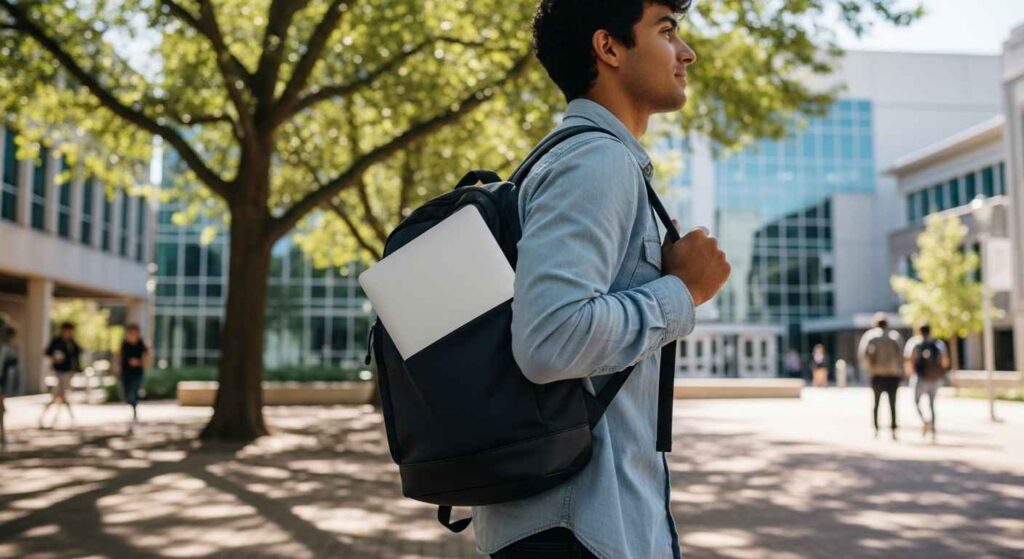
School laptops live a hard life because they travel in bags and sit on small desks. You need a computer that is built with strong materials like aluminum or tough plastic. A weak hinge can break easily if you open and close it many times a day. Many students today also look for brands that use recycled metal in their laptop frames. Some laptops are even tested to survive small drops or spills during your rush between classes. Investing in a sturdy build means your laptop will last your entire academic career.
Selecting the Best Storage for Your Files
Storage is where you keep all your essays, photos, and school projects. You should always look for a Solid State Drive, which is also known as an SSD. These drives are much faster and tougher than the old spinning hard drives. A 256GB SSD is enough for most people who use the cloud for their files. If you save a lot of videos or big games, try to get 512GB of space. A fast drive helps your laptop turn on in just a few seconds.
Choosing Your Operating System and Software
There are three main types of systems you can choose for your school work. Windows laptops are very common and can run almost any software you need. MacBooks are known for being very fast and having batteries that last a long time. Chromebooks are usually the cheapest option and work best if you do everything online. Before you buy, make sure your laptop can run the apps your school uses. Avoiding software mismatches saves you from a lot of frustration on the first day.
Getting the Right Ports and Audio
Ports are the holes on the side of your laptop where you plug things in. You will likely need at least one USB-C port for fast charging and data. An HDMI port is very helpful if you need to show a presentation on a big screen. Many thelaptopadviser education laptops now have noise-canceling microphones for clear video calls. This helps your voice stand out when you are talking in an online class chat. Having the right ports means you will not need to carry extra adapters in your bag.
Why a Good Keyboard Matters for Essays
You will spend hundreds of hours typing on your new laptop. A keyboard that feels soft and has good spacing will keep your hands from getting tired. Many students prefer keyboards that light up so they can type in dark rooms. You should also test the touchpad to make sure it moves smoothly and clicks easily. A comfortable laptop makes writing long reports feel like much less of a chore. Your fingers will thank you during those late-night study sessions.
Finding Value Within Your Budget
You do not have to spend a fortune to get a great computer for school. Many companies offer special discounts for students that can save you a lot of money. Look for “back-to-school” sales which usually happen in the late summer months. Sometimes a slightly older model is a better deal than the brand-new version. Focus on the features that solve your specific problems instead of buying flashy extras. Being a smart shopper helps you get the best tool for your education.
Solving the Problem of Overheating
Some laptops get very hot and make a loud fan noise when you use them. This can be embarrassing in a quiet classroom or a library. To avoid this, look for laptops that use efficient chips that do not create much heat. Keeping your laptop on a flat desk instead of a bed also helps it stay cool. A cool laptop runs faster and lasts much longer than one that is always hot. This simple step protects your investment and keeps your work environment peaceful.
The Role of Modern Display Technology
Your eyes are very important, so you need a screen that is easy to look at. A “Full HD” screen is the standard for school because it makes text look sharp. Some newer laptops have screens that block blue light, which helps you sleep better after studying. Try to find a screen that is not too shiny if you sit near windows. Reflections can make it very hard to see your notes clearly. A clear screen helps you stay focused on your work for longer periods.
Using AI Tools to Help Your Studies
In 2026, many thelaptopadviser education laptops come with built-in AI tools. These tools can help you organize your schedule or find research faster. Some even help clean up the sound during your online video classes. This means your teacher can hear you clearly even if a dog is barking nearby. AI also helps your battery last longer by managing your power more smartly. Embracing these new tools can give you a helpful edge in your school projects.
Finding the Best Webcam for Video Classes
Remote learning is a big part of school life today, so your camera matters. Look for a laptop with a “1080p” webcam for a very clear picture. A good camera helps you look professional during online interviews or group meetings. Some laptops have a physical privacy shutter that you can slide over the lens. This gives you peace of mind when you are not using the camera. Clear video helps you stay connected with your classmates and teachers.
The Benefit of Reliable Technical Support
Even the best laptops can have problems once in a while. It is wise to choose a brand that has a good reputation for helping customers. Check if there is a repair center near your campus or home. Some companies offer special warranties that cover accidents like spills or drops. Having quick support means you will not be without a computer for very long. This safety net allows you to focus on your grades instead of repairs.
You May Also Like: Ultimate Matches Sffarehockey Fan Guide 2026
Final Review of Your Laptop Needs
Take a moment to write down what features are most important for your day. Do you need a long battery or a big screen for your projects? Is a light weight more important than a low price for your long walks? Use this guide to check each box before you spend your hard-earned money. You now have all the tools to find the perfect thelaptopadviser education laptops. Your new computer will be the key to many great grades and fun memories.
Frequently Asked Questions
Which thelaptopadviser education laptops are best for college students?
The best system depends on your major and what software your school requires. Windows is great for almost everything, while MacBooks are excellent for creative arts. Chromebooks are perfect for students on a budget who mostly use web tools.
How much should I spend on a school laptop in 2026?
Most students find a great laptop between $500 and $800 that lasts for years. You can find cheaper options for basic writing, but they might not be as fast. Investing a bit more now can help the laptop stay useful until you graduate.
Is 8GB of RAM enough for my school work?
Yes, 8GB is the starting point for a good experience with web browsing and essays. However, if you do video editing or keep many apps open, 16GB is much better. More memory prevents your laptop from slowing down when you are very busy.
How long should my laptop battery last during the day?
You should aim for at least 8 to 10 hours of battery life. This allows you to go through a full day of classes without needing your charger. Many modern laptops can even last up to 15 hours on a single charge.
Do I really need a Solid State Drive (SSD)?
Yes, an SSD is much faster and safer than an old-fashioned hard drive. It helps your laptop start up in seconds and makes every app feel very snappy. An SSD also has no moving parts, so it is less likely to break.
Disclaimer
The information provided on this blog is for general educational purposes only. While we strive for accuracy, technology changes rapidly. We do not offer professional legal or technical advice. TheLaptopAdviser is not responsible for any losses or damages resulting from your use of this guide. Always verify specific software requirements with your school or employer before making a final purchase.