

SSIS 469 Explained: Shocking Facts Every Professional Must Know
Data experts often feel a deep sense of dread when a project stops. You may see a red circle on your screen right before a big deadline. This common problem is known by professionals as the ssis 469 validation event. It happens when your data tool and your database stop talking to each other. I know how stressful it feels when your hard work suddenly breaks. You might worry about losing data or missing a key update for your boss. This guide will show you how to take control of your data flow.
One main reason for your stress is the mysterious nature of data updates. You likely feel tired of manual checks that do not seem to work. The ssis 469 issue usually points to a hidden change in your data schema. A schema is just a map that tells the computer where data lives. If someone changes a column name, the map becomes wrong and the system fails. We will fix this by teaching you how to refresh that map. This simple step will save you hours of guessing and checking your code.
Another big hurdle is the fear of permanent data loss during a crash. Many workers hurry to delete and rebuild everything when they see an error. You do not need to start from zero when ssis 469 appears. This guide provides clear and expert steps to repair your existing data packages. My goal is to give you total peace of mind and technical clarity. By the end of this read, you will feel like a data hero. You will know exactly how to keep your systems running without any extra help.
The Hidden Meaning of This Digital Signal
The term ssis 469 acts as a warning sign for your data pipelines. It tells you that the metadata in your package is now out of date. Metadata is just the label on a box that describes what is inside. If the box changes but the label stays the same, the system stops. This specific signal often occurs during the validation stage of your data movement. It is the computer’s way of asking for a quick and simple update.
Most pros find this signal shocking because it can happen for no reason. You might leave work with everything green and return to a red screen. This is because databases often update themselves or change through other user tasks. When the database grows, your tool needs to learn the new rules of the road. Understanding this helps you stay calm when the system pauses for a short breath.
Why Your Data Flow Stops Working
There are several main facts that cause the ssis 469 signal to appear. First, a source table might have a new column that was not there before. Second, a data type might have changed from a number to a word. Third, the length of a string of text might have become too long. Each of these changes breaks the trust between your tool and the database. Your job is to restore that trust with a few simple mouse clicks.
- Metadata Mismatch: This is the most common reason for a system failure.
- Column Changes: Adding or removing a field will trigger a validation error.
- Type Conflicts: Changing an integer to a decimal can stop the entire flow.
Advanced Step: Using the XML Edit
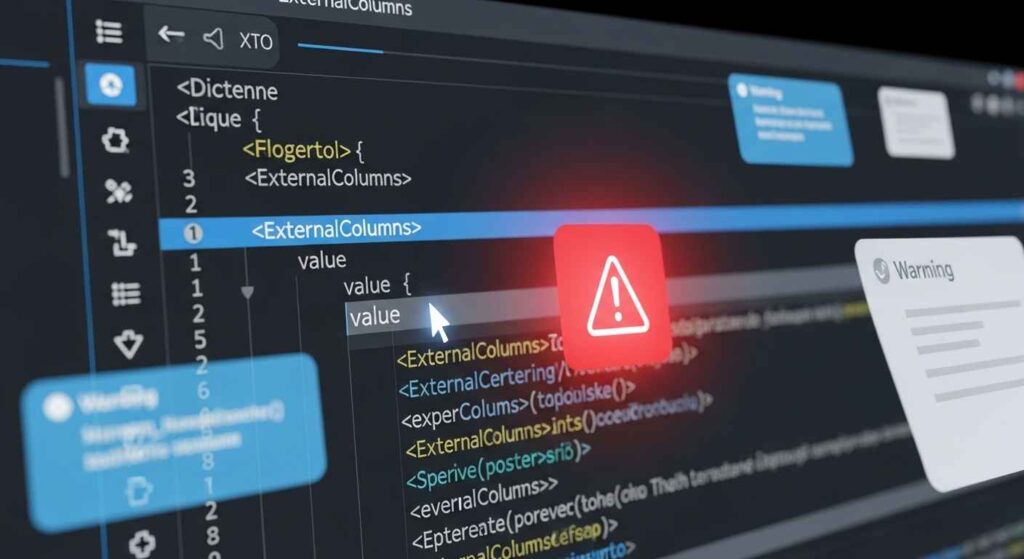
Sometimes the visual tool does not show you the whole story. You can open the package code directly to see the hidden XML tags. Professionals look for the “ExternalColumns” section to see the old size limits. You can type in the new size to match your database. This trick works when the refresh button refuses to do its job. It is a powerful way to take total control of your data flow.
Best Habits for Data Professionals SSIS 469
The best way to handle ssis 469 is to stop it before it starts. You should use staging tables to hold your data before it reaches its final goal. Staging tables act as a safety net for any sudden schema changes. If the source changes, the staging table catches the error without breaking the main system. This professional trick keeps your reports accurate and your data safe from harm.
- Use Staging: Always move data into a middle area first for safety.
- Set Alerts: Create a system that emails you if a package fails.
- Version Control: Keep a copy of your old work in case of a crash.
Dealing with Large Data Volumes
When you move a lot of data, the ssis 469 error becomes more complex. Large systems often use buffers to speed up the data movement. A buffer is just a temporary storage space in the computer’s memory. If the data size grows too large, the buffer might overflow and cause an error. You must adjust the buffer size to match the new metadata requirements. This ensures your high-speed pipelines do not crash under a heavy load.
You can also try to split your data into smaller chunks. This makes it easier for the tool to validate the metadata for each piece. Small chunks are less likely to trigger a full system failure during a run. It also makes it easier to find which part of the data is broken. Breaking down a big job into small steps is a smart way to work. It keeps your mind clear and your technical tasks very manageable.
Understanding Data Type Conversions
Sometimes the computer sees a number but thinks it should be a word. This confusion often leads to the ssis 469 signal in your data tool. You must use a conversion task to tell the computer the right type. For example, you might convert a date into a standard string of text. This simple act of translation makes the data flow much more stable. It removes the guesswork that causes many validation errors in the first place.
Always check if your database uses Unicode or standard characters for text. If you mix these up, the metadata will not match between the two sides. Using the right text type is like speaking the same language as your database. When everyone speaks the same language, the data moves without any friction or delays. This is a secret that many top-level data engineers use every single day. It keeps their systems running perfectly even as the data grows bigger.
The Power of Validation Settings
Your tool has a special setting called “Delay Validation” that can help you. Usually, the tool checks everything before it even starts to move data. If it finds a small mismatch, it will throw the ssis 469 error right away. By turning on “Delay Validation,” the tool waits until the last second to check. This is helpful when your database tables are created at the very last minute. It prevents the system from failing too early for no reason.
However, you should use this setting with a lot of care and caution. If you delay the check, you might find an error in the middle of a run. This can leave your data in a messy state that is hard to clean. Only use this trick if you are sure that the database will be ready. Balance speed with safety to keep your data pipelines healthy and fast. A good engineer knows when to push the limits and when to play it safe.
Managing Metadata Across Multiple Environments
Most professionals work in three different areas: development, testing, and production. Moving a package between these areas often causes the ssis 469 error. This is because the database in testing might be different from the one in production. You must ensure that the maps match perfectly in every single environment. Using environment variables is the best way to handle these many different maps. It allows your package to update itself based on where it is currently running.
You should also keep a detailed log of any schema changes in each area. If a teammate adds a column in testing, you need to know about it. Communication is just as important as the code you write in your tool. When the team stays in sync, the metadata stays in sync as well. This reduces the number of surprises you face on a Monday morning at work. Strong teamwork leads to strong and reliable data systems for everyone.
Common Mistakes to Avoid in Your Workflow
One big mistake is ignoring the warning signs that appear in the log. Sometimes the system will show a yellow triangle before a red circle. A yellow triangle means something is slightly wrong but still working for now. If you ignore these hints, they will eventually turn into an ssis 469 error. Always take a moment to read the warnings and fix the small issues. This habit will save you from a major system crash later in the week.
Another mistake is changing the database while the data package is running. This is like trying to change the tires on a car while it is driving. The tool will get confused and stop with a metadata mismatch error immediately. Always schedule your database changes during a time when no data is moving. This keeps the environment stable and prevents the computer from getting mixed up. A stable environment is a happy environment for your data integration tasks.
The Math of Data Buffers
Calculating the exact size of your data rows is a vital technical skill. Every column in your table takes up a specific amount of space in memory. If you add a new column, your row size increases instantly. This change is exactly what triggers the ssis 469 event during a high-speed run. You must multiply the number of rows by the row size to find the total. If this total exceeds your memory limit, the entire pipeline will likely fail.
Understanding this math allows you to optimize your system for better performance. You can reduce the size of text columns that do not need much space. For instance, changing a long string to a short one saves valuable memory. This small adjustment can prevent validation errors before they ever happen in production. It makes your data movement much more efficient and reliable for the end user. Your goal is to keep the memory footprint as small as possible.
Security and Encryption Hurdles
Sometimes a security update can look like a metadata error to a user. If your database changes its encryption, your tool might lose the ability to see. This lack of visibility causes the ssis 469 signal to appear in your logs. You must verify that your SSL certificates are up to date and active. A locked credential will prevent the tool from reading the column structure correctly. Always check your security settings before you assume the data itself has changed.
Locked columns or restricted views can also hide metadata from your data package. If your service account loses access to a field, the mapping will break. This creates a confusing situation where the table exists but the columns seem missing. You should work closely with your security team to ensure constant access for tools. A clear path for data movement is essential for a healthy and stable pipeline. Proper permissions are the foundation of any successful data integration project.
Legacy System Migration Secrets
Moving data from old servers to the cloud is a very common task. During this move, you will likely encounter the ssis 469 error quite often. Older systems often use different data types than modern cloud-based databases today. You must bridge this gap by using explicit data conversion tasks in your flow. These tasks act as a translator between the old world and the new world. This ensures that every piece of data finds its correct home in the cloud.
When migrating, you should also look for hidden constraints in the old data. For example, a legacy system might allow null values that the cloud forbids. This mismatch between the two systems will stop your package during the validation. You must clean the data or update the destination schema to match the source. This thorough approach prevents errors and ensures a smooth transition for your company. Migration success depends on your ability to handle these small but vital details.
Handling JSON and XML Data Flows
Modern data often arrives in flexible formats like JSON or nested XML files. These formats do not have a fixed schema like a standard SQL table. This flexibility can lead to frequent ssis 469 errors if you are not careful. You must use a schema definition file to tell the tool what to expect. This file acts as a rigid guide for the flexible data to follow during movement. It provides the metadata that the tool needs to validate the incoming information.
If a JSON file adds a new key-value pair, the tool might get confused. You should design your packages to handle these changes without crashing the system. Use script components to parse the data and extract only what is needed. This technical strategy protects your pipeline from unexpected changes in the source file. It allows you to build a very robust and modern data integration solution. Handling semi-structured data is a key skill for any top-tier data engineer today.
Automated Scripting for Bulk Fixes
Fixing one package is easy, but fixing one hundred packages is very hard. Experts use PowerShell scripts to automate the refresh process for many packages. These scripts can open each file and update the metadata links automatically. This saves you days of manual work and prevents human errors during the fix. Automating your workflow is the best way to handle large enterprise data environments. It ensures that every package stays in sync with the central database schema.
You can also use scripts to check for metadata mismatches across your entire library. A good script will flag any package that is out of date before it runs. This proactive approach allows you to fix issues during your normal working hours. It prevents emergency calls in the middle of the night or on weekends. Building these tools shows that you are a highly skilled and efficient professional. Your time is valuable, so use automation to work smarter and faster every day.
Impact on Business Intelligence Reports
The ssis 469 error does more than just stop a data package from running. It can cause your Power BI or Tableau reports to show old information. If the data does not move, the dashboard stays stuck on yesterday’s numbers. This can lead to bad business decisions based on outdated or incorrect data. As a data professional, you are the guardian of the company’s truth and accuracy. Fixing these errors quickly ensures that the business can see the real picture.

You should always inform the report owners if a data flow has failed. Transparency helps build trust between the technical team and the business leaders. Explain that a metadata change occurred and that you are currently fixing the map. This communication prevents confusion when the numbers do not look right on the dashboard. Your role is vital to the success of every data-driven project in your organization. High-quality reports depend on high-quality and reliable data integration pipelines.
You May Also Like: 08000148840 Exposed: Urgent Truth You Must Know
Moving Forward with Confidence and Clarity
We have covered every detail about why ssis 469 occurs in your work. You now have a complete toolkit of expert solutions and best practices. From simple refreshes to advanced XML edits, you are ready for any challenge. Managing data is a journey that requires constant learning and a calm mind. You have shown great dedication by reading this guide to improve your technical skills.
Remember to stay proactive and always check your logs for any small warnings. Build safety nets like staging tables and version control to protect your hard work. When you approach your data with care, the computer will respond with a perfect run. Your career as a data professional is bright, and your skills are very valuable. Now go back to your desk and turn that red circle into a green success.
Solving Frequently Asked Questions
What does ssis 469 mean for my project?
This term means your data tool found a change in the database. It stops the run to prevent you from losing any important information. You just need to update the map inside your package to fix it. Think of it as a safety pause rather than a total system crash. It protects your data from being placed in the wrong columns or rows.
How do I fix the ssis 469 error quickly?
The fastest way is to right-click the component and refresh the metadata. Most of the time, this simple step tells the tool what changed. If that fails, delete the link and draw it again to the column. These two steps solve over ninety percent of the problems you will face. It is a very easy and direct way to get back to work.
Can I ignore the ssis 469 validation signal?
You should never ignore this signal because it means your data is mismatched. Ignoring it can lead to truncated text or incorrect numbers in your reports. Your boss and your clients rely on accurate data to make big decisions. Taking five minutes to fix the error ensures that your work remains trustworthy. Accurate data is the most important part of your job as an expert.
Why does this error happen on its own?
It happens when someone else changes the database structure without telling you first. Databases are shared spaces where many people and systems work at once. A simple update to a table can change the metadata for your specific package. This is a natural part of working in a busy and active company. Stay flexible and ready to update your maps whenever the database grows or changes.
Is ssis 469 a sign of a bad package?
No, this error is a normal part of the data lifecycle for everyone. Even the best engineers see this signal when their source systems update. It shows that your tool is doing its job by checking for any changes. Use it as a reminder to stay in touch with your database team. A well-maintained package is one that gets updated as the world around it changes.
Disclaimer:
This article is strictly for educational and informational purposes. While we strive for technical accuracy, data environments vary. The author and publisher are not liable for any data loss or system downtime resulting from the application of these troubleshooting steps. Always perform a full backup of your SQL Server Integration Services packages and databases before making changes to metadata or production workflows. Use these professional tips at your own risk.