

Runlhlp EXPOSED: Shocking Truth Every User Must Know
Have you noticed the name runlhlp appearing in your browser tabs lately? It is incredibly scary when your computer starts acting on its own. You might feel like someone has broken into your digital home. Many people worry that their private photos or bank details are now at risk. I know that heart-pounding feeling of losing control over your own device. This guide will help you understand this mystery and reclaim your peace of mind.
What Exactly Is Runlhlp?
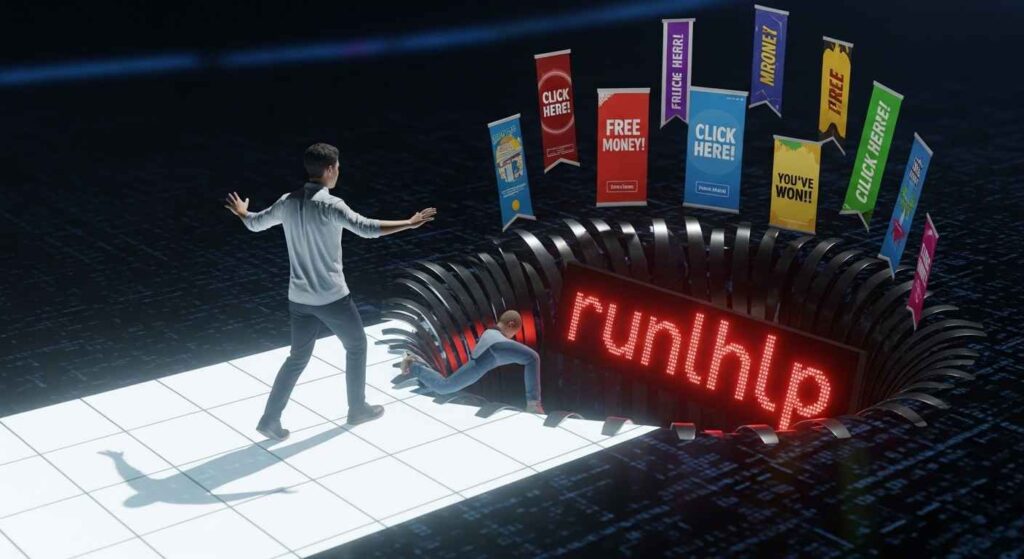
The name runlhlp belongs to a network of low-quality websites designed to capture your attention. These sites do not offer real news, helpful tools, or honest services. Instead, they act as a digital trap for internet traffic. When you land on one of these pages, it is usually because of a forced redirect. A redirect is like a hidden hand that pulls you away from the site you wanted to visit.
These domains often look like empty blogs or strange technical forums. They use generic titles to trick search engines into thinking they are useful. In reality, they are shells used to display aggressive advertisements. The people behind these sites want to make money every time a page loads on your screen. They do not care about your user experience or your digital safety.
Why This Redirect Is Targeting Your Device
If you keep seeing runlhlp, your browser is likely struggling with a small piece of junk code. This is not a life-threatening virus for your computer, but it is a major nuisance. Most users encounter this after installing a “free” video converter or a game mod. These free files often hide extra software inside the installer. This is called “bundling,” and it is a common way for junk software to spread.
Another reason is a browser hijacker. This is a script that changes your homepage or your search engine without your permission. It forces your browser to ping sites like runlhlp to generate ad revenue. It feels like your computer has a mind of its own, which is deeply frustrating. Understanding that this is a common trick helps take away the fear. You are not alone in this, and it is a fixable problem.
The Risks to Your Personal Privacy
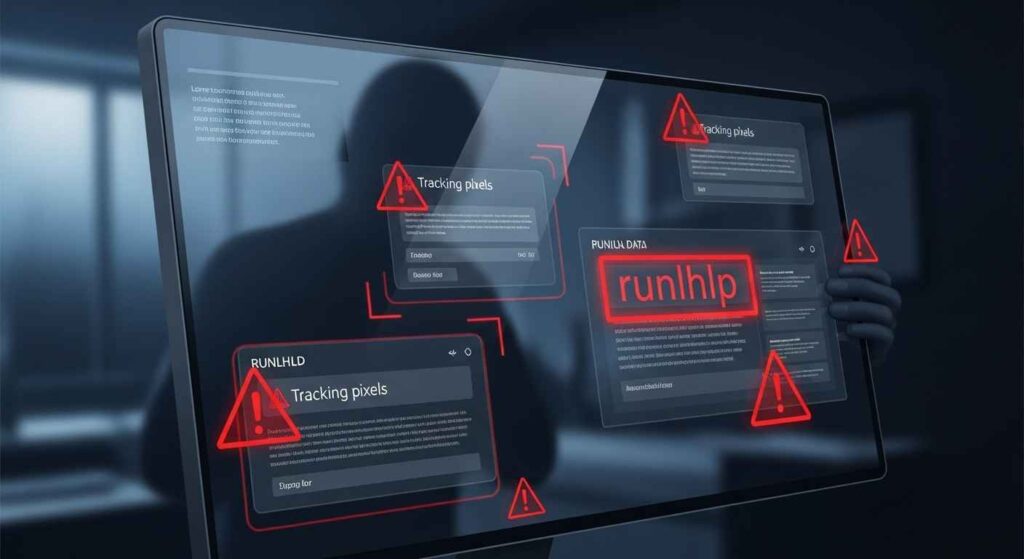
You might wonder if runlhlp is stealing your identity. While it is mostly interested in showing ads, it does track your behavior. These sites use “tracking pixels” to see what you click on and where you go next. This data is then sold to advertisers who want to profile you. It is an invasion of your digital space that feels very personal.
The biggest danger is “malvertising.” This is when a low-quality site shows an ad that contains a real virus. For example, you might see a pop-up saying your “Flash Player” needs an update. This is always a lie. If you click it, you might actually download something dangerous. The site itself is the doorway, and you must learn how to keep that door locked.
How to Clean Your Browser Settings
Stopping these redirects requires a bit of digital housecleaning. You need to look at the parts of your browser that you usually ignore. Start by checking your notification settings. Many modern sites trick you into clicking “Allow” on a small box in the corner. Once you do, they can send you spam even when your browser is closed.
Open your browser settings and search for “Notifications.” Look for any site you do not recognize, especially those with strange names like runlhlp. Remove them from the “Allow” list immediately. This one step often stops 90% of the annoying pop-ups. It is a simple fix that provides instant relief from the constant buzzing of ads.
Removing Suspicious Browser Extensions
Extensions are small tools that add features to your browser. However, they are also the most common hiding place for redirect scripts. Sometimes an extension that worked well for months gets sold to a new owner. That owner might add junk code to it to make money from redirects. This is why a tool you trust can suddenly start acting like a villain.
Go to your extension menu and look at every single icon. Ask yourself if you have used that tool in the last month. If the answer is no, delete it. If you see an extension you never downloaded, it is likely the source of the runlhlp problem. Deleting these rogue tools is like removing a weed from a garden. It allows your browser to breathe and function properly again.
Using Professional Security Tools for Deep Cleaning
Sometimes the problem is deeper than just a browser setting. A small program might be running in the background of your Windows or Mac system. To find these, you should use a trusted scanner. Tools like Malwarebytes are excellent for finding “Potentially Unwanted Programs” or PUPs. These are not full viruses, but they cause the exact behavior you are seeing.
Run a full scan and let the software do the heavy lifting. It will look into folders you didn’t even know existed. When it finds a piece of junk code, it will put it in a “quarantine” box. This is a safe way to remove the threat without breaking your computer. After the scan, restart your device to ensure all the changes take effect. You will likely feel a sense of weight lifting off your shoulders.
The Importance of Clearing Cache and Cookies
Your browser remembers almost everything you do. It saves small files called “cookies” to help sites load faster. Unfortunately, sites like runlhlp can leave behind cookies that keep the redirect loop alive. Clearing your cache and cookies is like washing your hands after touching something dirty. It ensures that no traces of the bad site remain on your device.
In your settings, find the “Clear Browsing Data” section. Make sure to select “All Time” for the time range. This will sign you out of most websites, so make sure you know your passwords. Once you click “Clear,” your browser will be a blank slate. This stops the “sticky” behavior where the same bad site keeps coming back over and over.
Strengthening Your Digital Defenses
Once your computer is clean, you want to keep it that way. The best defense is a good ad blocker that focuses on privacy. Traditional ads are one thing, but “script blockers” stop the code that causes redirects. Using a tool like uBlock Origin is a great way to stay safe. It acts as a gatekeeper for your internet connection.
Another tip is to avoid “cracked” software or “free” movie sites. These are the primary breeding grounds for sites like runlhlp. If a deal seems too good to be true, it usually comes with a hidden cost to your privacy. By being a bit more selective about where you click, you can avoid 99% of these issues. You deserve an internet experience that is fast, clean, and safe.
Managing Your Operating System Updates
Many people ignore the “Update” notifications on their computers. These updates are actually very important for your safety. Often, a redirect happens because of a hole in your computer’s security. Software companies find these holes and send out “patches” to fix them. If you don’t update, that hole stays open for sites like runlhlp to crawl through.
Set your computer to update automatically during the night. This way, you always have the latest shields without having to think about it. It is a simple habit that makes a huge difference. Think of it like changing the oil in your car. It keeps everything running smoothly and prevents big, expensive problems down the road.
Identifying Fake Virus Warnings
One of the most common tricks used by runlhlp is the fake scan. You might see a window that looks like a Windows Defender or Apple security alert. It will flash red and tell you that “5 Viruses Found!” This is designed to make you panic. When you panic, you don’t think clearly, and you are more likely to click a bad link.
Real security software will never alert you through a web browser tab. If an alert stays inside the website window, it is a lie. Close the tab immediately. If the tab won’t close, use your task manager to shut down the whole browser. Learning this one fact will save you from the most dangerous part of the internet. Knowledge is your best weapon against these scammers.
How Your Router Affects Your Safety
Sometimes, the redirect problem isn’t just on one computer. If your phone and your laptop both see runlhlp, the problem might be your Wi-Fi router. Hackers can sometimes change the “DNS settings” on a router. This tells your whole house to go to the wrong websites. It is a very sneaky way to control your internet.
To fix this, you can log into your router and reset the DNS to “Automatic.” You can also use a trusted DNS like Google (8.8.8.8) or Cloudflare (1.1.1.1). This ensures that when you type a website name, you actually go to the real site. It is like making sure the GPS in your car is pointing to the right destination. This provides a layer of safety for every device in your home.
Dealing with Persistent Redirects on Mobile
Your phone is just as vulnerable as your computer. If you see runlhlp on your iPhone or Android, the steps are similar. On an iPhone, go to your Safari settings and click “Clear History and Website Data.” On Android, you should clear the cache of your Chrome app. Mobile browsers are often easier to clean because they have fewer places for junk to hide.
Also, check your recently installed apps. Sometimes a free flashlight app or a simple game is actually an ad-delivery machine. Delete any app that started showing up right before the problems began. Your phone should be a tool that serves you, not a billboard for someone else’s ads. Keeping your app list small and clean is a great way to stay fast.
The Role of Internet Service Providers
Sometimes your internet company might try to redirect your “broken” searches to their own pages. While this isn’t the same as runlhlp, it can be just as annoying. You can usually opt out of these programs in your account settings. Being aware of how your data flows from your house to the world is very empowering. You are the customer, and you have the right to a clean connection.
If you have tried everything and still see the name runlhlp, it might be time to call a professional. There is no shame in asking for help when a problem is too big. A local computer repair shop can often do a “deep wipe” that removes even the most hidden scripts. It is better to spend a little bit of money to be 100% sure your data is safe.
Using Virtual Private Networks for Privacy
A VPN is a tool that hides your internet traffic in a tunnel. This makes it much harder for sites like runlhlp to track you. It masks your “IP address,” which is like your digital home address. When your address is hidden, these ad networks can’t follow you around as easily. It adds an extra layer of “invisibility” to your browsing.
Make sure to choose a paid, reputable VPN. Free VPNs often make money by selling your data, which is exactly what we are trying to avoid. A good VPN is a small investment in your long-term digital health. It allows you to use public Wi-Fi at coffee shops without worrying about who is watching your connection.
Recovering Your Sense of Security
After you have cleaned your device, it is normal to still feel a bit nervous. You might jump every time a page takes an extra second to load. Give yourself time to trust your computer again. The steps you took—cleaning the cache, removing extensions, and updating software—have made your device stronger than it was before.
You have turned a frustrating situation into a learning experience. You now know more about browser security than most internet users. That knowledge is a shield that will protect you for years to come. You can now go back to watching videos, reading news, and talking to friends without the fear of a sudden redirect.
Understanding the Economics of Redirect Sites
Why do people make sites like runlhlp in the first place? It all comes down to “pennies per click.” If a site can get a million people to accidentally click a link, they make thousands of dollars. They use automated scripts to create thousands of these sites every day. When one gets blocked, they just start another one with a slightly different name.
Knowing that this is just a cold business helps take the “spookiness” away. It is not a personal attack on you. You just happened to cross paths with a digital automated machine. By blocking these sites, you are cutting off their profits. If everyone used an ad blocker, these sites would disappear because they would stop making money.
Why Your Browser Warnings Matter
Modern browsers like Chrome, Firefox, and Safari are getting very good at spotting bad sites. If you see a big red screen that says “Deceptive site ahead,” listen to it! Do not click “Advanced” and “Proceed anyway.” The browser has found code on that site that is known to be harmful.
These warnings are based on the reports of millions of other users. By respecting these warnings, you stay on the safe path. It is like a “Danger: Thin Ice” sign at a lake. You might not see the danger yourself, but someone else has already fallen in and warned the rest of us.
Maintaining a Clean Digital Footprint
Your digital footprint is the trail you leave behind on the internet. The smaller your footprint, the harder it is for ad networks to target you. You can use search engines like DuckDuckGo that do not track your history. This prevents the “profile building” that leads to targeted redirects.
Every small change adds up to a much safer experience. You don’t have to be a computer expert to stay safe. You just have to be a little bit more mindful of where you go and what you share. You have already taken the biggest step by educating yourself today.
You May Also Like: Cyroket2585 Patch Explained: The Critical Update Everyone’s Talking About
Final Relief and Recovery
The journey from a “hijacked” browser to a clean one can be stressful. But remember, the power is always in your hands. You own the device, and you decide what happens on its screen. The name runlhlp will soon be a distant memory for you.
Enjoy your clean, fast internet. You have earned it by doing the work to protect yourself. Keep your tools updated, stay skeptical of “free” offers, and browse with confidence. You are the master of your digital world.
Frequently Asked Questions About Runlhlp
Is Runlhlp a virus that can steal my bank passwords?
In most cases, it is not a direct password stealer. It is usually “adware” meant to show you commercials. However, it can lead you to dangerous sites that might try to trick you into typing your password. As long as you don’t enter your data into any strange pop-ups, your accounts should remain safe.
Why does the redirect happen only on some websites?
Some website owners use low-quality ad networks to make money. These networks sometimes allow scripts like runlhlp to run. If you only see the redirect on one specific site, that site is likely the problem. It is best to avoid that website and find a more professional source for your information.
Will a factory reset of my computer fix the problem?
Yes, a factory reset is a “nuclear option” that will definitely remove the problem. However, it also deletes all your personal files and photos. You should only do this as a last resort. Usually, simply resetting your web browser settings is enough to stop the redirects without losing your files.
Can my phone get infected by visiting these sites?
Your phone can experience the same redirects as your computer. While it is harder for a phone to get a “deep” virus, the browser can still be hijacked. Clearing your mobile browser history and deleting suspicious apps will usually solve the problem quickly. Always keep your phone’s software updated to the latest version.
How can I tell if a site is safe before I click it?
You can hover your mouse over a link to see the destination URL in the bottom corner of your screen. If the address looks like a random string of letters or includes “runlhlp,” do not click it. Trusted sites usually have simple, readable names. Trusting your gut feeling is often your best defense.
Disclaimer:
This article is for informational purposes only. I am an independent researcher sharing my findings to help you understand browser redirects. While I strive for accuracy, the digital world changes fast. This content does not constitute professional cybersecurity advice. I am not affiliated with the domain mentioned. Always back up your data before changing system settings or installing new security software. Use these tips at your own risk and stay safe online.