
Pulsamento: The Essential Guide to Living in Rhythmic Balance
Finding the true meaning of pulsamento can feel like solving a puzzle with missing pieces. You might have seen this word in a music book, a medical report, or even a tech blog. This variety often leads to a specific type of frustration. You want a clear answer, but you keep finding different definitions that do not seem to fit together.
Many people search for this term because they feel “off.” You might feel like your life is moving too fast or that you are constantly rushing to catch up. This feeling of being “out of sync” is a major source of stress in our modern world. We are here to help you bridge the gap between these different meanings and find a rhythm that works for you. This guide will show you how to identify the steady beat in your body, your environment, and your daily habits to restore your peace of mind.
What is Pulsamento and Why It Controls Your Life
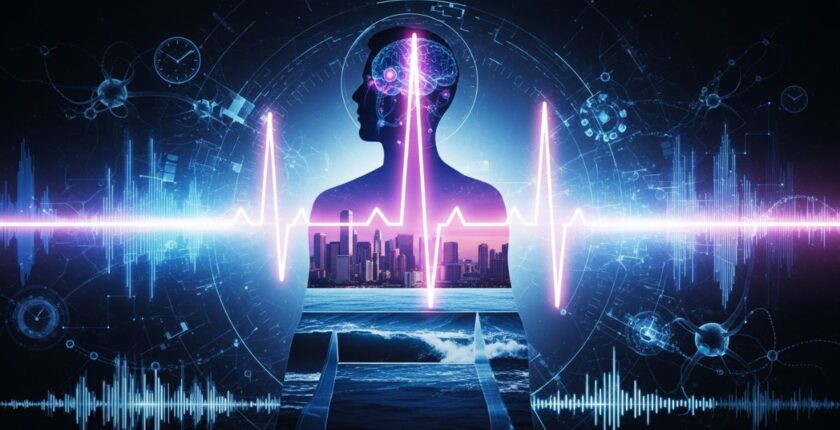
At its heart, pulsamento refers to the act of pulsing or the presence of a rhythmic throb. It is the fundamental beat that exists beneath the surface of all moving systems. Whether it is the ticking of a clock or the steady drum of a song, this pulse serves as a foundation. It is the invisible grid that organizes time and energy.
In our daily lives, we often ignore this beat until it becomes irregular. When your work schedule, your sleep, and your social life all move at different speeds, you lose your sense of center. This is why understanding the science of the pulse is so important. It is not just a musical term; it is a vital tool for organizing your existence. By recognizing the patterns around you, you can stop fighting against the clock and start moving with it.
The Physical Foundation of Human Pulsamento
Your body is a collection of rhythms that never stop. From the moment you are born, your internal systems follow a strict pulsamento to keep you alive and healthy. When these rhythms are steady, you feel energized and calm. When they are disrupted, you might feel sick, tired, or anxious.
The most famous pulse in your body is the heartbeat. This is a physical expansion and contraction of your heart muscle. It sends oxygen to your brain and fuel to your muscles. However, your body also follows a “breath pulse.” This is the rhythmic cycle of inhalation and exhalation. By paying attention to these physical beats, you can learn to control your emotional state. Slowing your breath sends a signal to your heart to slow its own pulse, which tells your brain to stop producing stress chemicals.
How the Body Uses Rhythmic Timing to Heal
Beyond the heart, your body uses a concept called the circadian rhythm. This is a very slow pulsamento that lasts about 24 hours. It tells your body when to release hormones for energy and when to prepare for rest. If you stay up too late looking at bright screens, you break this rhythm.
Many health struggles, such as insomnia or brain fog, come from a broken internal pulse. To fix this, you must treat your body like a fine instrument. You need to provide it with a steady schedule. Eating at the same time and sleeping at the same time helps your biological pulsamento stay strong. This consistency acts as a shield against the chaotic “noise” of a busy lifestyle.
Pulsamento in Music and the Power of Sound
In the world of music, pulsamento is the steady, underlying beat that listeners feel. It is different from the rhythm, which can be complex and changing. The pulse is the “heartbeat” of a song. It is the part of the music that makes you want to tap your foot or nod your head. Without a clear pulse, a song feels directionless and messy.
Musicians spend years training their internal sense of time to match a perfect pulse. This is because the pulse creates a shared experience. When a room full of people feels the same pulsamento, they begin to breathe and move in sync. This is why music is such a powerful tool for social connection and emotional healing. A slow, steady pulse can lower your blood pressure, while a fast, driving pulse can give you the courage to finish a hard workout.
The Role of Rhythm in Creative Expression
Artists and writers also follow a creative pulsamento. This is the flow of ideas and the energy used to bring them to life. If you have ever felt a “burst of inspiration,” you were experiencing a high-energy pulse. If you have felt “writer’s block,” your creative pulse was likely in a slow or resting phase.
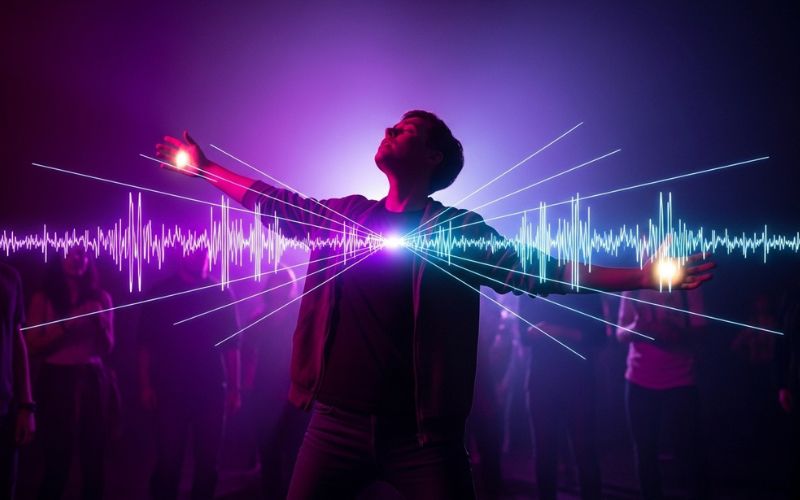
The mistake many people make is trying to force a fast pulse all the time. Real creativity requires a cycle of expansion and contraction. You need time to think and rest so that your next “pulse” of work can be strong and meaningful. Learning to respect your creative timing will help you produce better work without burning out. This is the secret to long-term success in any artistic field.
Digital Pulsamento and the Heart of Technology
We often think of technology as being different from nature, but it also relies on pulsamento. Every computer, phone, and smart device has an internal clock. This clock produces pulses of electricity that tell the machine when to process data. If these pulses were to stop or become uneven, the device would crash instantly.
In communication, we use “pulse-code modulation” to turn sounds and images into digital signals. These pulses are sent across the world through cables and airwaves. This means that every video you watch and every message you send is carried by a rhythmic beat. Even the digital world follows the laws of timing and flow. Understanding this helps us see that technology is just another way of organizing the energy and rhythm that already exist in the universe.
Nature and the Universal Beat of the Planet
Nature is the ultimate teacher of pulsamento. The world does not move in a straight line; it moves in circles and waves. The tides of the ocean come in and out on a predictable beat. The seasons change from winter to summer in a massive, yearly pulse. Even the plants follow a rhythm, opening their leaves to the sun and closing them at night.
When humans live in harmony with these natural pulses, we tend to be much happier. For example, spending time near the ocean can be healing because the sound of the waves mimics a slow, resting human pulse. This “ocean pulse” helps reset our nervous system. By observing the natural world, we can find examples of how to manage our own energy levels throughout the year.
Solving the Problem of a Rushed Life
The core pain point for many people today is the feeling of “time poverty.” You feel like there is never enough time to do what you need. This happens because our modern world tries to force a “constant on” pulse that does not exist in nature. We are expected to be available 24/7, which breaks our natural pulsamento.
To solve this, you must set boundaries around your time. You can create “rhythmic blocks” in your day. For example, you might have a high-energy pulse for work in the morning and a low-energy, quiet pulse for family and rest in the evening. By naming these phases, you give yourself permission to slow down. You stop feeling guilty for resting because you realize that rest is a vital part of the pulse.
Using Pulsamento to Improve Focus and Work
If you struggle to stay focused, you can use the power of the pulse to help. The human brain is not designed to focus for eight hours straight. Instead, it works best in short “pulses” of deep attention. A common technique is to work for 25 minutes and then rest for five. This creates a predictable pulsamento for your mind.
When your brain knows that a break is coming, it is less likely to wander. This rhythmic approach to work reduces the “mental friction” that causes procrastination. It turns a giant, scary task into a series of small, manageable beats. Over time, this builds “rhythmic momentum,” making it easier to finish large projects without feeling overwhelmed.
The Connection Between Rhythm and Emotional Health
Our emotions also have a pulsamento. Feelings like anger or joy often arrive in waves. They build up, reach a peak, and then fade away. Many people struggle because they try to “stop” the wave or hold onto a feeling for too long. This creates emotional blockages that lead to anxiety.
A healthy emotional life involves letting the pulse finish its cycle. When you feel sad, let the sadness pulse through you until it naturally ends. When you feel happy, enjoy the peak of that beat without worrying about when it will stop. By viewing your emotions as a rhythmic flow rather than a permanent state, you become more resilient. You realize that no matter how hard a “beat” feels, a new one is always on the way.
Practical Exercises to Reset Your Daily Pulse
You do not need special equipment to start living in sync with a better pulsamento. You can start right now with simple changes to your environment. These steps help ground your energy and reduce the feeling of being rushed.
One effective method is “rhythmic walking.” As you walk, try to match your steps to a steady count of four. Breathe in for four steps and breathe out for four steps. This forces your brain and body to synchronize. It is a fast way to stop a racing mind and bring your focus back to the present moment. Another method is “sound cleaning.” Turn off background noises like the TV or radio for a few hours. This removes the “false pulses” that can distract your brain and allow your internal pulsamento to become clear again.
Pulsamento in Sports and Physical Excellence
Athletes often talk about being “in the zone.” This state of peak performance is actually a state of perfect pulsamento. When a runner finds their stride or a basketball player finds their shooting rhythm, they are aligning their movements with a steady internal pulse. This alignment makes their movements more efficient and less tiring.
In team sports, the best teams have a shared pulse. They move together as if they are one body. This “group pulsamento” allows them to predict each other’s moves without speaking. If you want to improve your own physical performance, stop focusing on “trying harder” and start focusing on “finding the rhythm.” Whether you are swimming, lifting weights, or playing tennis, look for the natural beat of the movement.
How to Protect Your Pulse from Digital Overload
We live in a world of constant notifications and “micro-pulses.” Every time your phone vibrates, it creates a tiny interruption in your personal pulsamento. These interruptions add up over the day, leaving you feeling scattered and “thin.” This is why digital detoxing is so important for your mental health.
By setting specific times to check your messages, you protect your internal rhythm. You decide when the outside world gets to “pulse” into your life. This gives you back your power. You are no longer a passive receiver of noise; you are the conductor of your own daily symphony. Protecting your pulsamento is the highest form of self-care in a digital age.
You May Also Like: The Untold Story of Fabiana Flosi: From Marketing Expert to F1 Powerhouse
The Future of Rhythmic Science and Well-Being
As we learn more about the human brain, we are discovering that rhythm is central to everything we do. New therapies use rhythmic light and sound to help people with memory loss or learning struggles. This “neuro-pulsamento” shows that our brains are essentially rhythmic machines.
In the future, we may have homes and offices that automatically adjust their lighting and sounds to match our natural biological pulsamento. This would help us stay healthy and productive without the stress of the modern world. For now, the best thing you can do is become aware of the pulses in your own life. Use the tools of rhythm to create a life that feels steady, purposeful, and calm.
Frequently Asked Questions About Pulsamento
What is the difference between pulsamento and heart rate?
While heart rate is a specific measure of how many times your heart beats in a minute, pulsamento is a broader term. It refers to the general quality and presence of a rhythmic throb or pulse in any system, whether it is biological, musical, or mechanical. Heart rate is a type of pulse, but not all pulses are heart rates.
Can pulsamento help with anxiety?
Yes, focusing on a steady rhythm can be very helpful for anxiety. When you are anxious, your internal pulse becomes fast and irregular. By focusing on a slow, external beat—like slow music or rhythmic breathing—you can coach your body to return to a calmer pulsamento. This is a core part of many mindfulness and meditation practices.
Why is pulsamento important in music theory?
In music, this concept is the foundation of timing. It provides a common reference point for all the musicians in a group. Without a steady pulsamento, the melody and harmony would have no structure. It is what allows a song to have a “groove” or a “feel” that the audience can connect with.
How does technology use pulses to transmit data?
Digital technology turns information into a series of on-and-off signals. These electrical pulses act as a code. By sending millions of these pulses every second, computers can transmit complex data like high-definition video or voice calls. The precision of this pulsamento is what makes modern internet speeds possible.
How can I find my natural daily rhythm?
To find your natural pulsamento, try to spend a weekend without an alarm clock or a strict schedule. Notice when you naturally feel hungry, when you feel most alert, and when you start to feel tired. These peaks and valleys are your personal daily pulse. Once you know them, you can build your work and rest schedule to match them.
Disclaimer:
This article provides general information about the concept of rhythm and pulsation for educational purposes. It is not intended to be a substitute for professional medical advice. The biological rhythms discussed, such as heartbeats and circadian rhythms, are complex health topics. If you are experiencing irregular physical pulses, chronic fatigue, or heart-related symptoms, please consult a qualified healthcare professional immediately. Never ignore medical advice or delay seeking treatment based on information found online.