

How to Diagnose Pavatalgia Disease: Critical Warning Signs
It is scary when your legs feel like they are burning or heavy. You might wonder why simple walking has become so hard. Many people feel confused because their pain does not have a clear cause. You may feel like no one is listening to your struggle. It is hard to find answers when symptoms come and go. You want to feel strong again, but the path forward feels blurry.
This guide will help you understand how to find the truth. We will look at the signs that show something is wrong. You will learn about the tests doctors use to check your body. We will move from the first clues to the final answer. This will help you feel ready to talk to your doctor. You deserve to know what is happening inside your body.
Identifying the First Clues in Your Body
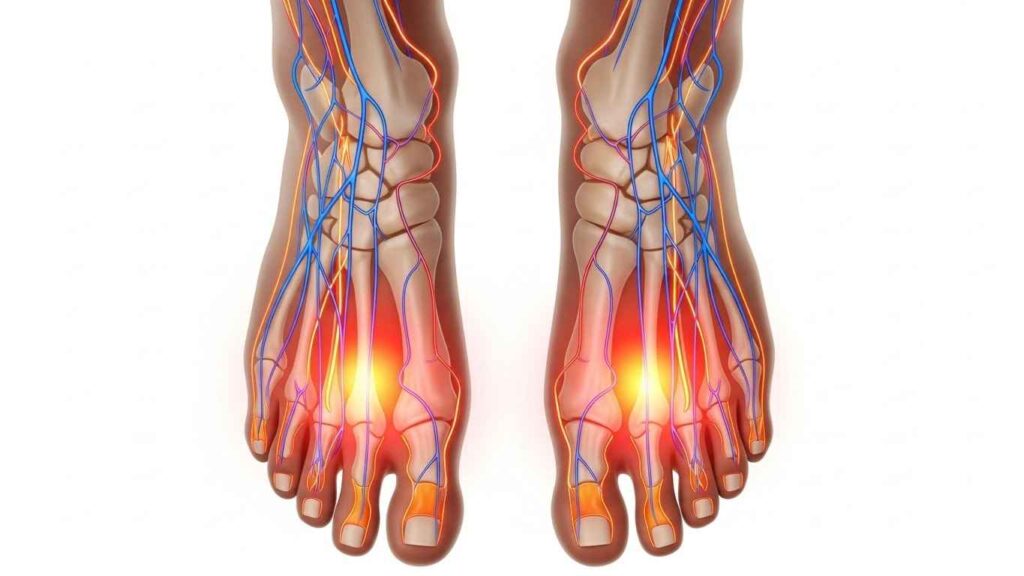
The first step in knowing how to diagnose pavatalgia disease is watching your body. You might feel a strange burning in your feet. Some people say it feels like walking on hot sand. Others feel a sharp pain that shoots down the leg. This pain often gets worse at night when you try to rest. It can keep you awake and make you feel very tired the next day.
You should also look for changes you can see. Your skin might look shiny or very pale. Your toenails might grow slowly or become very thick. If you see a sore on your foot that will not heal, pay attention. These are big clues that your nerves or blood flow need help. Small changes on the outside often mean there is a bigger problem on the inside.1
Why Feeling Numb is a Major Warning
Sometimes you might not feel pain at all. Instead, your feet might feel like they are “asleep.” This numbness is a serious sign that nerves are struggling to talk to your brain. You might trip over your own feet because you cannot feel the floor. This makes simple tasks like walking up stairs feel very dangerous.
Doctors call this a loss of sensation. It often starts at the tips of your toes. Over time, it can move up to your ankles or knees. If you find that you cannot feel hot or cold water on your feet, seek help. This lack of feeling can lead to injuries because you do not realize when you are hurt.
How Your Doctor Starts the Search
When you go to the doctor, they will ask many questions. They want to know when the pain starts. Does it happen only when you walk? Does it go away when you sit down? They will ask about your family history too. This helps them see if your genes play a role. Being honest about your daily life helps them find the answer faster.
The doctor will then touch your feet and legs. They are looking for a pulse. A weak pulse is a sign that blood is not moving well. They will also test your skin. They might use a tiny needle to see if you can feel a prick. This tells them if your nerves are still sending signals. They check your reflexes by tapping your knee with a small tool.
The Importance of Physical Strength Tests
During your visit, the doctor will check your muscle strength. They might ask you to push your feet against their hands. If one leg is weaker than the other, it tells a story. Weak muscles often mean the nerves are not giving them enough energy. This can cause you to feel shaky when you stand for a long time.
They may also ask you to walk across the room. They watch how your feet hit the ground. If you lift your knees very high, it might be “foot drop.” This happens when you cannot lift the front of your foot. Watching you move helps the doctor see how the disease affects your balance and safety.
Using Blood Tests to Find Hidden Causes
Doctors use special tests to find the real problem. One common test is a blood draw. They check for high sugar levels. High sugar can damage the tiny vessels that feed your nerves. They also look for low vitamins. Sometimes, a lack of Vitamin B12 can cause leg pain and tingling.
They also check for inflammation markers. These are signs that your body is fighting something. If your blood shows high inflammation, it might be an immune system issue. This means your body is accidentally attacking its own healthy tissues. Finding these markers helps the doctor pick the right medicine for you.
Measuring Nerve Speed and Health
Another test checks how fast your nerves work. This is called a nerve conduction study. The doctor puts small stickers on your skin. They send a tiny electric tap through the nerve. It feels like a quick tingle or a small twitch. If the signal is slow, it means the protective coating on the nerve is wearing away.
They might also do an EMG. In this test, a very thin needle is put into a muscle. It listens to the electrical activity of the muscle. If the muscle makes strange sounds when it is at rest, it means it is not getting the right signals. This test is very good at finding damage deep inside your limbs.
Imaging Tests to See the Path of Blood
Sometimes, the doctor needs to see your blood vessels. They might use an ultrasound. This uses sound waves to make a picture of your arteries. It shows if they are too narrow or blocked. If blood cannot get to your muscles, they will cramp and hurt when you move.
They might also look at the “Ankle-Brachial Index.” This compares the blood pressure in your arm to the pressure in your ankle. If the pressure in your ankle is much lower, it means blood is getting stuck. This is a very simple and fast way to check your vascular health without using needles.
High-Tech Scans for a Deeper Look
If the first tests do not show enough, you might get an MRI. This machine uses magnets to make a very deep picture. It can show if a disc in your back is pressing on a nerve. Sometimes the pain in your leg actually starts in your spine. An MRI helps the doctor see exactly where the “pinch” is happening.
A CT scan is another tool they might use. It takes many X-ray pictures from different angles. It is great for looking at bones and hard tissues. If a bone spur is rubbing against a nerve, the CT scan will find it. These pictures give the medical team a map of your body to follow.
| Test Name | Focus Area | Main Benefit |
| Blood Panel | Chemistry | Finds sugar or vitamin gaps |
| EMG | Muscles | Sees if muscles get signals |
| Ultrasound | Arteries | Maps out blood flow |
| MRI | Soft Tissue | Finds pinched nerves in the back |
Ruling Out Similar Conditions
It is easy to mix up pavatalgia with other things. Some people think they just have a sore muscle from exercise. Others think it is just part of getting older. But real pavatalgia has specific patterns that stay for a long time. A doctor will check to make sure it is not just a simple cramp or a temporary strain.
They will compare the pain in both legs. If only one leg hurts, it might be an injury from a fall. If both legs hurt the same way, it is likely a “systemic” issue. This means it affects the whole body at once. Knowing if the pain is “symmetric” helps the doctor narrow down the cause very quickly.
The Role of Skin and Temperature
Your skin tells a story about your health. Doctors look for “trophic changes.” This is a fancy word for changes in how your skin lives and grows. Healthy skin needs good blood and working nerves. If the skin on your shins looks tight and shiny, it is a red flag.
They also check the temperature of your limbs. If one foot feels icy cold while the other is warm, blood is not reaching the cold foot. On the other hand, if a foot is very red and hot, it might be an infection. Keeping your feet at a normal temperature is a sign that your internal systems are balanced.
Checking for Autonomic Signs
The disease can sometimes affect things you do not think about. This includes how you sweat or how your heart beats. Doctors might check if the skin on your feet is very dry or cracked. This happens when the nerves that control sweat stop working. It can lead to infections if the skin breaks open.
They might also check your blood pressure when you stand up. If you feel dizzy every time you get out of bed, your nerves might be struggling to control your blood flow. These “automatic” functions are part of the big picture. Seeing these signs helps the doctor understand how much of your nervous system is involved.
Why a Precise Timeline Matters
When you talk to your doctor, try to remember when the pain first started. Was it three months ago or three years ago? Did it start after a sickness or an accident? A slow start usually means a chronic condition. A fast start might mean a sudden infection or a toxic exposure.
Keep a small diary of your feelings. Write down if the pain is a 2 or a 10 on a scale of strength. Note if eating certain foods makes it worse. This timeline is like a puzzle. Every piece of info you give helps the doctor finish the picture of your health.
Understanding Small Fiber Issues
There are different sizes of nerves in your body. Some are big and help you move. Others are very small and help you feel pain or heat. Sometimes, standard tests like the EMG only see the big nerves. If those tests come back “normal” but you still hurt, it might be the small fibers.
To check these, a doctor might do a small skin biopsy. They take a tiny piece of skin, usually near the ankle. They look at it under a microscope to count the nerve endings. If there are too few, it confirms the diagnosis even when other tests fail. This is a very important step for people who feel “invisible” pain.
The Path to a Personalized Plan
Once the tests are finished, you will sit down for a talk. The goal is to stop the pain and help you move again. Your plan might include special shoes to protect your feet. You might also learn exercises that help blood flow without hurting your joints.
Your doctor might suggest talking to a specialist. A podiatrist is a foot doctor who can help with skin and nails.9 A neurologist is a nerve expert who can help with pain.10 Working with a team of experts ensures that every part of your body gets the care it needs to heal.
Daily Habits to Protect Your Health
While you wait for a full diagnosis, there are things you can do at home. Always wear socks to keep your feet warm and safe. Inspect your feet every night using a small mirror. Look for any red spots or cuts that you might not feel. This prevents small sores from turning into big infections.
Eat a diet full of green vegetables and lean proteins. These foods give your body the tools to repair damaged tissues. Avoid smoking, as it makes your blood vessels narrow and tight.11 Simple changes in your daily life can make a big difference in how much pain you feel.
Staying Positive During the Process
It takes time to get a clear answer. You might feel frustrated when tests take a few days to come back. This is a normal feeling. Focus on the fact that you are taking action. Each test brings you one step closer to feeling better. You are being a hero for your own health.

Talk to your friends and family about your journey. Let them help you with chores when you are tired. Having a support system makes the hard days much easier. You do not have to walk this path alone. There are many people who care about your recovery.
You May Also Like: Gotxen Godolix EXPOSED: The Shocking Truth No One Is Talking About
Conclusion: Finding Relief and Confidence
Learning how to diagnose pavatalgia disease is the most important step you can take. You are moving away from confusion and toward a solution. By watching for warning signs and trusting medical tests, you gain the power to heal. You are no longer guessing about your pain.
Keep moving forward with hope. Science has many ways to help your nerves and blood vessels feel better. With the right diagnosis, you can find the right treatment. Soon, you will be able to walk, rest, and live without the heavy weight of worry. Your health is worth the effort, and a brighter, pain-free future is waiting for you.
Frequently Asked Questions About Finding a Diagnosis
How can I tell if my leg pain is serious?
You should look for signs that do not go away with rest. If your legs feel heavy every time you walk, it is a warning. Look at the color of your skin. If it turns blue or very pale, your blood is not moving well. A sore that stays open for weeks is also a big sign. These clues mean you should see a doctor soon to check your health.
What is the most common test for nerve pain?
Doctors often start with a physical exam and blood work. They want to check your sugar and vitamin levels first. If those look normal, they use a test called an EMG. This test listens to your muscles. It helps the doctor see if the nerves are sending the right signals. It is the best way to find out if the pain comes from a damaged nerve.
Can a back problem cause pain in my feet?
Yes, a pinch in your spine can send pain all the way down to your toes. This is why doctors sometimes check your back when your feet hurt. They might use an MRI to look at your spine. If a bone is pressing on a nerve in your lower back, it can feel like a burning sensation in your foot. Fixing the back issue often makes the foot pain go away.
Will my symptoms get better after a diagnosis?
Getting an answer is the first step toward feeling better. Once the doctor knows the cause, they can give you the right medicine. You might also start physical therapy to make your legs stronger. Many people find relief just by changing their diet or wearing better shoes. Knowing the truth helps you stop the problem from getting worse.
Is numbness as bad as sharp pain?
Numbness is often a sign of more advanced nerve trouble. When you feel pain, your nerves are still trying to send messages. When you feel nothing, it means the nerve is having a hard time working at all. This can lead to balance issues or hidden injuries. Both pain and numbness deserve a visit to the doctor to keep you safe.
Do I need to see a specialist right away?
It is usually best to start with your main family doctor. They can run the first blood tests and check your pulse. If they see signs of pavatalgia, they will send you to a specialist. This might be a neurologist for your nerves or a vascular doctor for your blood flow. Starting with your regular doctor helps you get the right tests in the right order.
How can I prepare for my first appointment?
You should make a list of all your symptoms before you go. Note if the pain is sharp, dull, or burning. Tell the doctor if the pain happens mostly at night or while you are active. Bring a list of all the vitamins and medicines you take every day. This helps the doctor see the whole picture and find the answer much faster.
Disclaimer
The information in this article is for educational purposes only. It does not replace professional medical advice, diagnosis, or treatment. Always seek the advice of your physician or a qualified health provider with any questions regarding a medical condition. Never disregard professional medical advice because of something you have read here.