
How Gaming Has Evolved: Thehaketech Reveals Shocking Changes You Never Noticed!
In today’s fast-paced digital era, it is essential to understand how gaming has evolved thehaketech. This knowledge helps us appreciate the tools we use daily. What started as a simple hobby of moving pixels has become a massive engine. This engine drives progress in hardware, software, and social connectivity. When you look at the evolution of gaming, you see the history of innovation.
The Early Spark of Digital Play
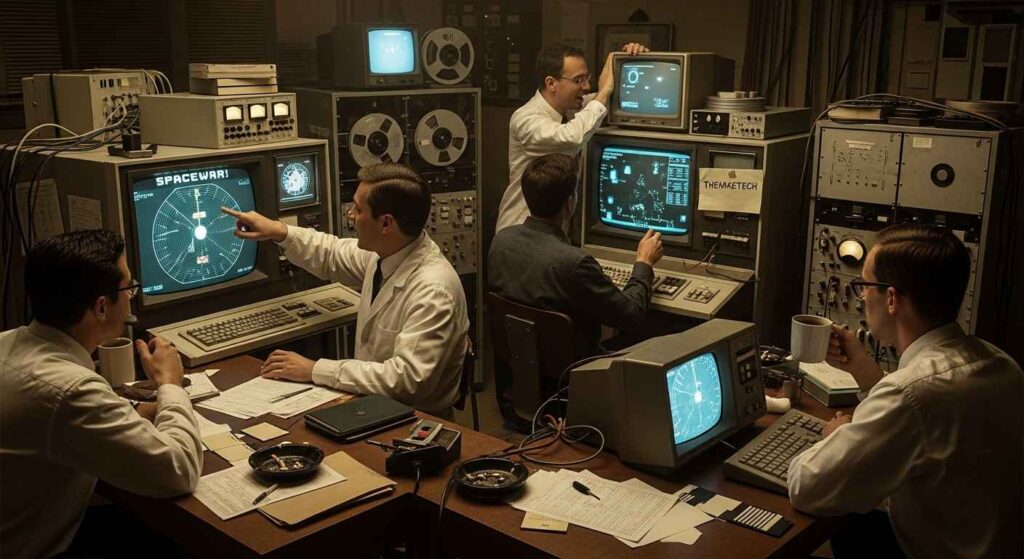
The journey began in research labs during the mid-20th century. Early scientists created games like Spacewar! to test university computers. These games were experiments in real-time interaction. This phase showed that humans wanted an experience from computers. This desire for interaction is how gaming has evolved thehaketech into user-friendly systems.
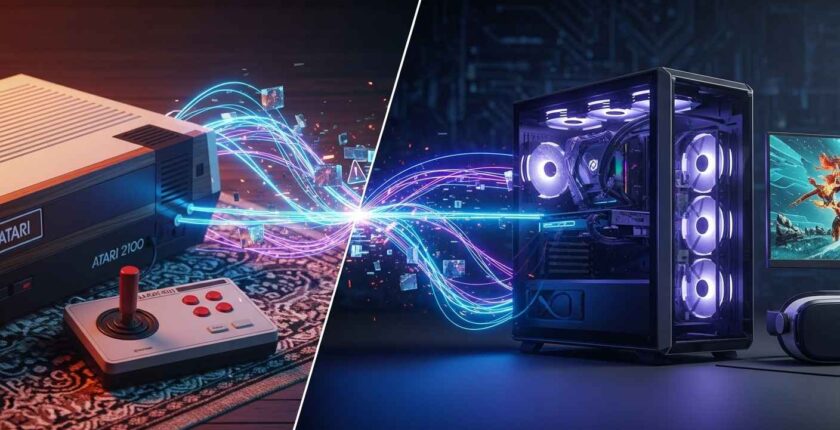
In the 1970s, the shift moved from labs to living rooms. Consoles like the Atari 2600 brought digital play to the masses. These devices were simple but forced engineers to optimize memory. This period established the core logic of thehaketech. Engineers learned to make complex code run on limited hardware. Today, you benefit from these early arcade optimization techniques.
How Gaming Has Evolved Thehaketech Pushed Hardware to the Limit
Gaming has evolved thehaketech most powerfully through physical hardware. In the past, computers were for spreadsheets and text. They did not need power to show words. As games moved to 3D, the demand for visual power grew.
The Birth of the GPU
This demand led to the Graphics Processing Unit (GPU). These chips were meant to render game characters. However, they can process thousands of small tasks at once. This makes them perfect for other fields. The same GPU tech that powers games now runs:
- Artificial Intelligence: Training large models requires massive processing.
- Medical Imaging: Doctors use GPUs to render 3D models for surgery.
- Video Editing: High-resolution video relies on gaming speeds.
The SSD Revolution
Slow mechanical hard drives once held gaming back. Players waited through long loading screens. To solve this, the industry pushed for Solid State Drives (SSDs). Modern consoles use high-speed NVMe drives to load data instantly. This shift is now a standard in thehaketech for all laptops. It makes booting up and opening files nearly instant.
The Architecture of Modern Communication
Online gaming changed how we send data. When players compete, every millisecond counts. This forced engineers to rethink how networks handle information.
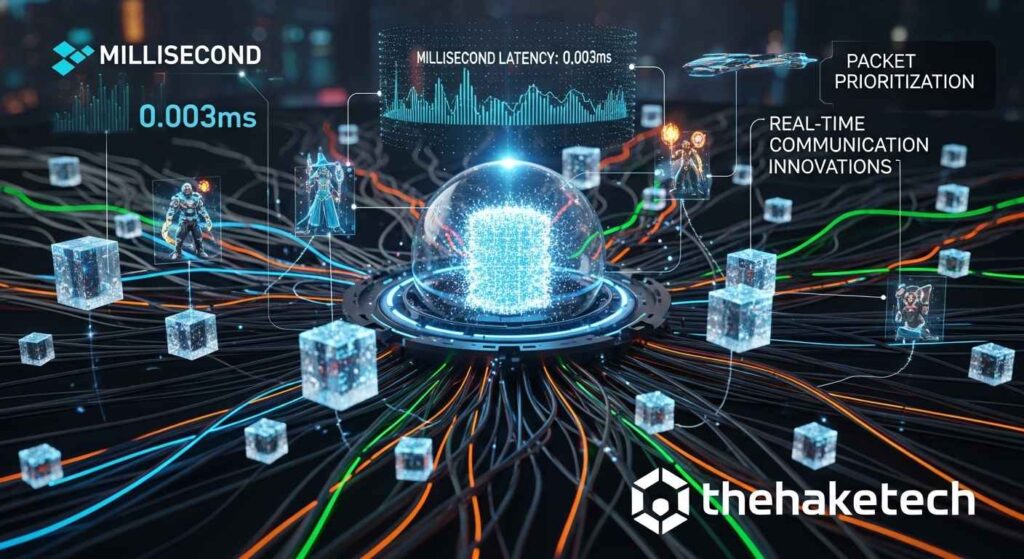
Gaming pushed the development of “Packet Prioritization.” This tech ensures that voice and game data travel faster than emails. If you use VoIP at work, you use gaming tech. These protocols keep your voice clear during meetings. They prevent the lag that ruins professional calls.
The Rise of the Cloud and Edge Computing
Gaming changed how we think about data storage. As online matches grew complex, developers needed better connections. This led to “Edge Computing.”
Edge computing places servers closer to the user. This reduces delay for a fair match. Today, this tech supports:
- Autonomous Vehicles: Cars process road data instantly.
- Remote Surgery: Doctors operate from miles away via fast links.
- Smart Cities: Power grids respond to real-time changes.
In 2026, you must look at Cloud Gaming. Services like Xbox Cloud prove you do not need a $2,000 PC. You only need a screen and fast internet. This “thin client” model now provides virtual workstations to employees.
Artificial Intelligence and Procedural Generation
In 2026, AI is everywhere. Its roots are deep in gaming. For decades, developers used AI to create challenging enemies. This evolved into Generative AI and Procedural Content Generation.
Dynamic World Building
Procedural generation builds universes using rules instead of manual design. Games like Minecraft use algorithms to create infinite landscapes. This tech is now used in urban planning. It simulates how new buildings affect traffic. It also creates digital crowds for films.
Smarter Digital Interactions
Modern non-player characters (NPCs) use Large Language Models (LLMs). They have real conversations with players. This tech flows into thehaketech through customer service bots. It makes digital tools feel more alive and less rigid.
Anti-Cheat Tech and Digital Security
Online gaming created a need for intense security. Developers had to stop hackers from ruining matches. This led to “Anti-Cheat” software.
These tools monitor system behavior in real-time. They detect unauthorized changes to code. This expertise now protects your bank account. The same logic identifies fraud in financial apps. Gaming helped engineers learn how to secure hardware from deep-level attacks.
The Social Layer and Digital Communities
Gaming turned the internet into a town square. Gamers formed “clans” before social media was a global force. These communities taught us how to collaborate online.
The Development of Social Tools
Work tools often have “gaming DNA.” Consider these examples:
- Discord: Built for gamers, it now hosts professional hobby groups.
- Slack: Its structure feels like early multiplayer lobbies.
- Zoom: Its audio protocols were refined by gaming headsets.
By creating shared spaces, gaming has evolved thehaketech to be more connected. We now live in technology with others.
Virtual and Augmented Reality: Beyond the Screen
Virtual Reality (VR) was once seen as a gimmick. Gaming investment made these headsets affordable.
Training and Education
VR is now a core part of professional training. Pilots use flight simulators that are high-end games. Mechanics use AR glasses to see digital labels on engines. This tech allows people to learn skills safely.
The Gamification of Health
Fitness trackers use gaming logic to keep you active. They give you “badges” for hitting goals. They let you compete on leaderboards. This gamification helps people stay motivated every day.
The Virtual Economy and Digital Ownership
Gaming taught us the value of digital goods. Players spent years trading skins and items. This created the first virtual economies.
These systems required secure digital wallets. They needed a way to prove who owned an item. This tech paved the way for modern digital assets. It also improved how we handle secure online transactions. We now trust digital items because of gaming history.
The Economic Power of the Gaming Industry
Gaming is the most profitable entertainment industry. It makes more money than movies and music combined. This wealth allows companies to fund ambitious projects.
Gaming is often the first to test new tech. Companies test blockchain or 6G networks here first. Once it works in a game, it is safe for the world. This makes gaming a vital testing ground.
Sustainable Tech and Future Efficiency
Thehaketech is now focusing on sustainability. High-end PCs use a lot of power. This led to a push for efficient chips. In 2026, we see “Green Gaming” initiatives. These focus on low-power modes and recyclable hardware. These innovations reduce the carbon footprint of all digital devices.
How You Can Benefit from These Evolutions
Understanding how gaming has evolved thehaketech gives you an edge. You can choose better tools for your life.
Invest in Performance
Hardware with “gaming specs” lasts longer. It handles heavy work better than standard gear. This saves you money in the long run.
Use Gamification for Productivity
Apply game rewards to your work goals. Use “Sprints” to finish tasks quickly. Reward yourself for finishing projects on time. This keeps your energy high throughout the day.
Adopt Immersive Tools
Try VR for learning new skills. Use AR for home design or repairs. These tools are now mature and very helpful.
You May Also Like: Shocking Facts About newznav.com 8884141045 Revealed!
Conclusion
The story of how gaming has evolved thehaketech is about ambition. We wanted to play and built a better world. From GPUs to social tools, gaming DNA is everywhere. In 2026, gaming will continue to push technology forward. By embracing these changes, we work smarter and connect deeper. We enjoy a more interactive digital life every single day.
Frequently Asked Questions
How Gaming Has Evolved Thehaketech and help in the development of AI?
Gaming required NPCs to make smart decisions. This led to pathfinding and behavior trees. Today, those structures are used in autonomous robots. They also run smart software assistants.
Is gaming hardware only useful for playing games?
No. GPUs and high-speed SSDs are essential for video editing. They are also used for 3D modeling and research. They offer the performance needed for data-heavy tasks.
What is gamification in daily technology?
Gamification uses game elements like points and badges in apps. Examples include fitness apps that reward steps. Language apps use “streaks” to encourage daily practice.
How did online gaming influence remote work?
Online gaming pioneered real-time voice and text over distances. Tools like Discord set the standard for collaboration software. We now use these ideas in Slack and Zoom.
Why is thehaketech so focused on low latency?
Latency is the delay between an action and a result. High latency means losing a game match. Engineers developed better routers and 5G networks to ensure zero lag.
Disclaimer:
The information provided on TheHakeTech is for general informational and educational purposes only. While we strive to keep all tech insights and gaming trends accurate and up-to-date as of 2026, we make no guarantees regarding the completeness or reliability of this data. Any action you take based on this content is strictly at your own risk. TheHakeTech will not be liable for any losses or damages in connection with the use of our website.