
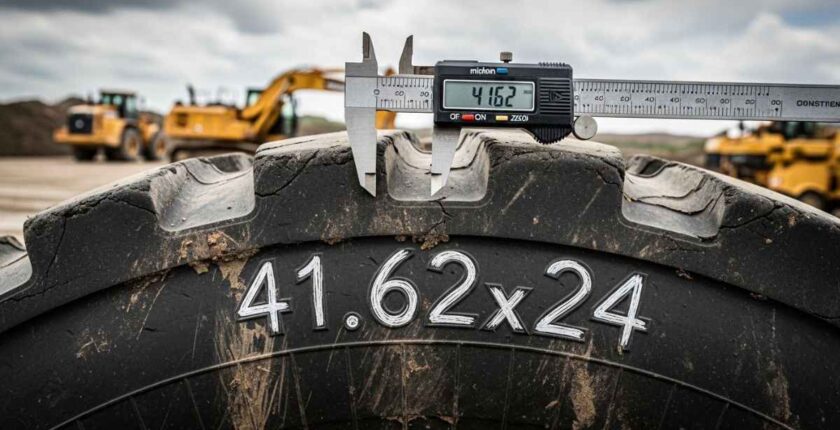
41.62×24 Revealed: What This Size Really Means
Finding a part labeled 41.62×24 often feels like solving a mystery without any clues. You might be staring at a piece of heavy machinery or a technical manual. Your project is stuck because you cannot find a clear explanation for these numbers. It is frustrating to deal with specs that do not seem to follow common rules. You need a fast answer to keep your work moving forward without any more delays.
This guide provides the clarity you have been searching for regarding this unique size. We will break down every digit so you can stop guessing and start working. You deserve to feel confident that your equipment will run safely and stay efficient. Let’s look at exactly what these measurements represent in the real world of heavy industry.
Solving the Mystery of Measurement Units
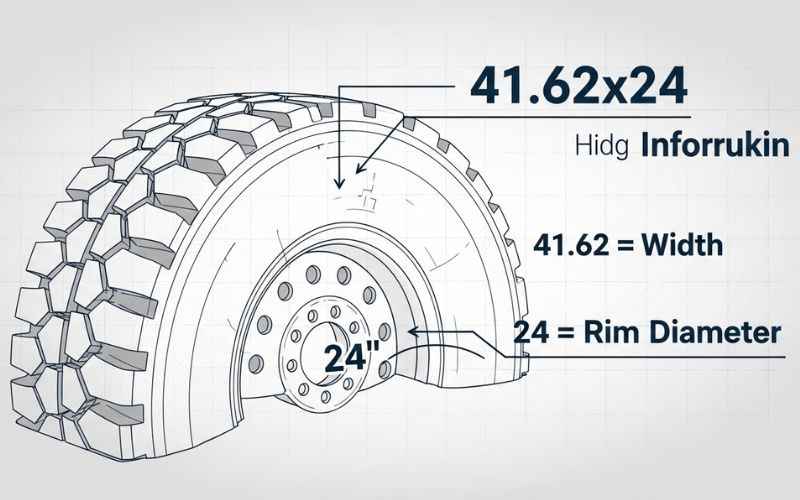
The numbers in 41.62×24 refer to the physical space a component occupies. In most heavy-duty settings, these digits describe the width and the diameter of a part. The first number, 41.62, usually represents the cross-section width in a specific unit of measure. This is the “thickness” or “fatness” of the item when you look at it head-on.
The second number, 24, almost always points to the interior diameter of the rim or hub. Imagine a giant metal wheel sitting inside a thick rubber or composite outer shell. That metal circle is 24 units across, which is a very common size for mining equipment. Knowing this helps you ensure that the inner part and outer part fit perfectly.
Why the Decimal Point Matters for Fit
You might wonder why a size would be as specific as 41.62 instead of just 41. Precise decimals like this are vital for high-pressure industrial environments where safety is the priority. A gap of even half an inch can cause a part to slip or fail. When machines carry tons of earth or rock, every fraction of a measurement counts for stability.
If a part is too loose, it creates heat through friction, which leads to early wear. If it is too tight, you might damage the equipment during the installation process. Seeing 41.62 tells you that the manufacturer designed this for a very specific job. It ensures the machine can handle heavy loads without the risk of a part coming loose.
Standard Applications for 41.62×24 Components
Most people encounter this size while working with earthmovers, graders, or large mining trucks. These machines operate in harsh places like quarries, deep mines, or massive construction sites. The 41.62×24 spec is built to withstand sharp rocks, extreme heat, and constant heavy weight. It is not a standard size you would find on a typical farm tractor.
Because these parts are so large, they often use special reinforced materials inside their structure. This might include steel belts or thick nylon layers to prevent punctures and tears. When you see this size, you are looking at a component meant for the toughest jobs. It is engineered to keep a machine upright even on soft or uneven ground.
How to Check Your Existing Equipment
If you are unsure if this is the right size, look at the sidewall or the plate. Dust and mud often hide these numbers, so you may need to clean the surface. Use a wet cloth to wipe away grime until the raised lettering becomes visible. Look for the “x” symbol which separates the width from the rim diameter.
If the markings are worn away, you can use a large tape measure for a rough check. Measure across the center of the rim to see if it hits the 24-inch mark. Then, measure the width of the outer part at its widest point to see if it nears 41.62. These steps take away the stress of ordering the wrong part for your fleet.
Understanding Tread Patterns and Surface Grip
The outer surface of a 41.62×24 part is just as important as its size. Depending on your work site, you might see deep lugs or a smoother, flatter surface. Deep lugs are perfect for muddy areas where you need to “bite” into the ground. Smoother patterns are better for hard, rocky surfaces to prevent the material from chipping or cracking.
Choosing the right surface pattern helps your machine use less fuel during a long shift. It also prevents the vehicle from sliding on slopes, which keeps the operator much safer. Always match the tread style to the specific environment where the machine will spend most hours. This simple choice can save thousands of dollars in repair costs over several months.
Maintenance Tips for Long-Lasting Parts
Owning equipment this size is a big investment that requires regular care and attention. Check the outer surface every morning for small cuts or deep gashes from sharp stones. Small bits of debris can get stuck in the grooves and cause damage over time. Use a small tool to pop out any rocks that look like they are digging in.
Keep an eye on the temperature of these components during a long day of work. Excessive heat usually means the machine is carrying too much weight or moving too fast. Giving the machine a short break can prevent the material from breaking down prematurely. Good maintenance means fewer “unanswered questions” when a machine suddenly stops working in the field.
Comparing 41.62×24 to Similar Sizes
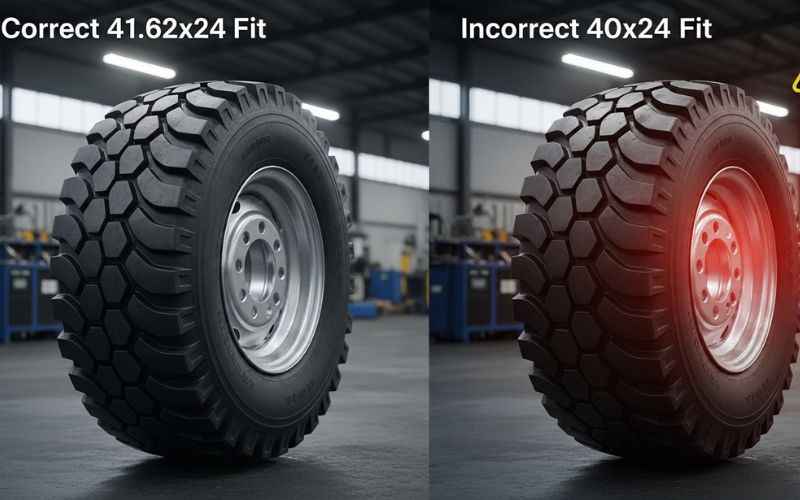
It is easy to confuse this size with others that look similar to the naked eye. For example, a 40×24 part might look the same but will not function the same way. The 41.62 width provides extra flotation, which helps the machine stay on top of soft soil. This prevents the vehicle from sinking and getting stuck in the mud during a rainstorm.
Using a slightly smaller size can change the balance of a large machine dangerously. It can also mess up the speedometer or the way the engine shifts gears. Always stick to the 41.62×24 spec if that is what your manual recommends for the job. Precision is your best friend when it comes to keeping a project on a tight schedule.
The Role of Weight Capacity in Operations
Every 41.62×24 part is rated for a maximum amount of weight it can safely carry. This is often called the “load index” and it tells you the limit for your machine. Exceeding this weight can cause the part to collapse or burst under the intense pressure. You can find this limit in the technical data sheet provided by the part manufacturer.
Calculate the weight of your machine plus the weight of a full load of material. Ensure this total number is well below the combined capacity of all the parts. This protects your transmission and your axles from snapping under the strain of a heavy haul. Safety starts with knowing exactly what your equipment can handle before you start the engine.
Real-World Solutions for Fitting Issues
Sometimes a new part might seem difficult to mount on a 24-inch rim. This is often due to the stiff materials used to make the part strong and durable. Professional shops use large hydraulic tools to seat these parts safely and accurately. Never try to force a part of this size using small hand tools or heat.
Using a special lubricant designed for industrial parts can help the edges slide into place. This prevents the inner bead from tearing, which would ruin the part before it even works. If you feel stuck, calling an expert with the right tools is the best path forward. It saves time and prevents expensive mistakes that could ruin a brand-new component.
You May Also Like: MFICR50 Secrets: Advanced Insights for Ambitious Users
Finding Relief Through Accurate Information
The stress of dealing with technical specs like 41.62×24 usually comes from a lack of facts. Now that you know these numbers refer to width and rim size, the mystery is gone. You can talk to suppliers with confidence because you understand exactly what your machine requires. This clarity helps you get back to the work that really matters to your business.
Remember that these measurements are the foundation of your equipment’s performance and safety. When you respect the 41.62×24 spec, you are choosing a smoother and more reliable work day. Your machine will handle better, last longer, and keep your operators safe on the job site. You have the answers now, so you can move forward with total peace of mind.
Common Concerns About 41.62×24 Parts
Does a 41.62×24 size fit a standard rim?
This size requires a specific 24-inch diameter industrial rim for a secure fit. Standard tractor or truck rims will not work because the width is much larger. Always verify your wheel width matches the 41.62 measurement before attempting to mount the part.
Why does my machine require 41.62×24 instead of a flat 40?
The decimal in 41.62 provides the exact surface area needed for machine stability. Manufacturers use this precise width to ensure the vehicle does not tip during heavy lifting. Swapping to a different size can cause the machine to lean or vibrate dangerously.
Can I use 41.62×24 parts on soft muddy ground?
Yes, this specific width is excellent for providing flotation on soft or wet surfaces. The wide footprint spreads the weight of the machine to prevent it from sinking deep. This keeps your project moving even after heavy rain or in swampy areas.
How do I find the load limit for 41.62×24 components?
Check the sidewall for a stamped number known as the load index rating. You can also find this information in the technical data sheet from the manufacturer. It is vital to stay under this weight to prevent the part from failing suddenly.
What is the best way to clean 41.62×24 parts for inspection?
Use a high-pressure water hose to remove thick mud and trapped rocks from the grooves. Avoid using harsh chemicals that could dry out or crack the reinforced materials. A clean surface allows you to spot small cuts before they turn into big problems.
Disclaimer
This article provides general information regarding industrial equipment and the 41.62×24 size specification. While we strive for accuracy, these technical details should not replace professional mechanical advice or manufacturer manuals. Always consult with a certified technician before installing or servicing heavy machinery. The use of this information is at your own risk, and we are not liable for any equipment damage or safety issues.