
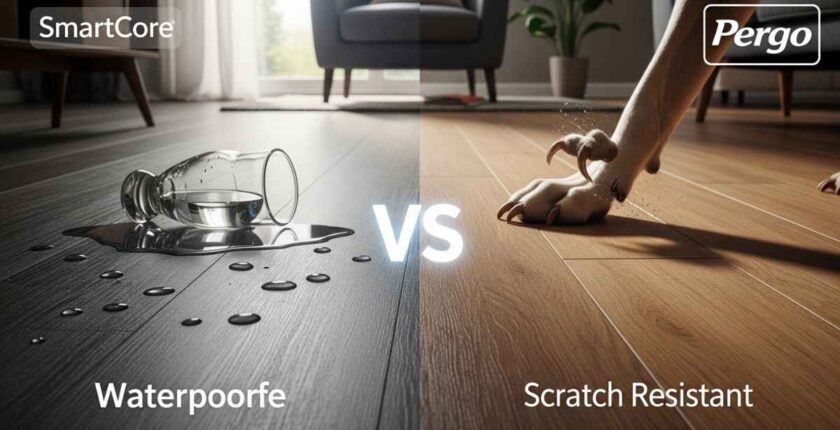
SmartCore vs Pergo: The Honest Comparison Before You Buy
Choosing new flooring feels like a massive weight on your shoulders. You want a home that looks beautiful, but you also worry about wasting money. It is stressful to stand in a store aisle wondering if a floor will actually last. You might feel confused by the different labels and technical terms. You deserve a floor that handles spilled milk, muddy paws, and heavy boots without making you panic. This guide will clear the fog and help you pick the right box at the store.
Finding Relief from Flooring Stress
Most people start this journey because their current floors are failing them. Maybe your old carpet holds onto smells and stains that won’t go away. Perhaps your current wood floors are covered in deep scratches from your pets. These problems create a constant feeling of frustration in your own home. You want a solution that looks high-end but acts like a workhorse. smartcore vs pergo are both designed to solve these exact headaches.
The Core Construction Difference
To pick the right floor, you must understand what sits beneath the surface. SmartCore is a luxury vinyl plank, often called LVP. It uses a stone-plastic composite center. This means it is made of crushed stone and plastic polymers. This mix is naturally waterproof and very stiff. It does not react to humidity or temperature changes in your house. If you live in a place where the air gets very dry in winter and humid in summer, this floor stays stable.
Pergo is the name that made laminate flooring famous across the world. Most Pergo products use a high-density wood fiber core. These fibers are pressed together under extreme pressure to create a very hard board. While modern Pergo has special coatings to resist water, its heart is still made of wood. This core gives Pergo a different feel and sound than the stone-based SmartCore. One is built for total water immunity, while the other is built for rigid strength.
SmartCore vs Pergo: Which Floor Survives Heavy Pets and Scratches?
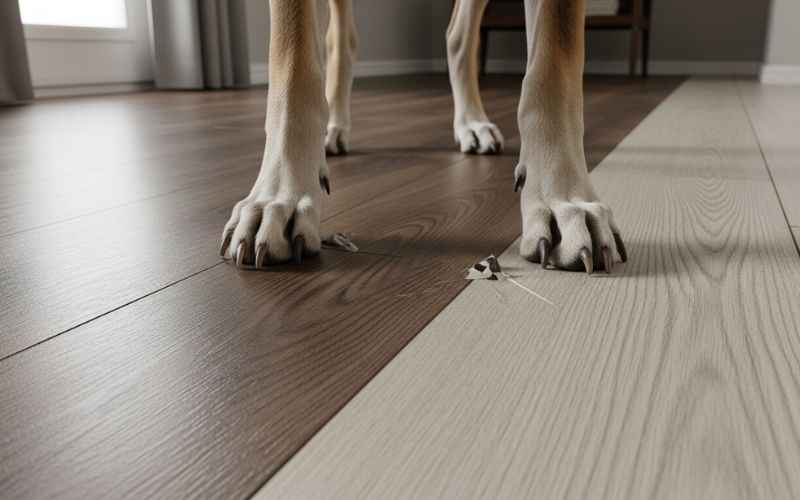
Scratches are a major pain point for anyone with a busy household. You do not want to spend your life telling your kids not to play on the floor. Pergo laminate is widely known for having one of the hardest top layers in the industry. It uses an aluminum oxide finish that acts like a transparent shield. This layer is much harder than the plastic used in vinyl floors. If you have large dogs with sharp nails, Pergo is often the champion of scratch resistance.
SmartCore is also very tough, but vinyl is a slightly softer material by nature. It uses a “wear layer” measured in mils to protect the design. While it resists scuffs and stains beautifully, a very sharp object dragged across it might leave a mark more easily than on Pergo. However, vinyl has a “self-healing” quality for tiny micro-scratches that laminate lacks. If your main fear is high-heeled shoes or dog claws, the hard shell of Pergo offers massive peace of mind.
Solving the Waterproof Mystery
Water damage is the nightmare of every homeowner. A hidden leak behind a dishwasher can ruin thousands of dollars in flooring in just one night. SmartCore is 100% waterproof from the top to the bottom. Because there is no wood inside, the planks cannot swell or grow mold. You can actually submerge a piece of SmartCore in a bucket of water for a week, and it will look exactly the same when you take it out. This makes it a perfect partner for bathrooms and basements.
Pergo has worked hard to solve the traditional weakness of laminate. They use a system called WetProtect. This involves a very tight locking system and a waterproof finish on the edges. It prevents water from seeping between the cracks for a specific amount of time. While this is great for accidental spills in a kitchen, it is not the same as being waterproof. If water gets under the baseboards or floods from beneath the floor, the wood core can still fail. For total “splash-proof” safety, SmartCore is the leader.
The Reality of Installation Costs
When you look at the price on the shelf, you are only seeing part of the story. Budgeting for a floor involves the planks, the underlayment, and the tools. SmartCore is designed specifically for the DIY homeowner. Most of their planks come with a pad already attached to the bottom. This means you do not have to buy and roll out a separate foam layer. It saves you money and several hours of back-breaking work.
Pergo often requires a separate underlayment, though some of their premium lines now include it. Pergo planks are also much harder to cut. You will need a power saw with a fine-tooth blade to get clean edges. This creates a lot of dust and noise inside your home. SmartCore can be cut with a simple utility knife. You just score the top and snap the plank. If you want to save money on professional labor, the ease of SmartCore makes it a very attractive option.
Achieving a Realistic Wood Look
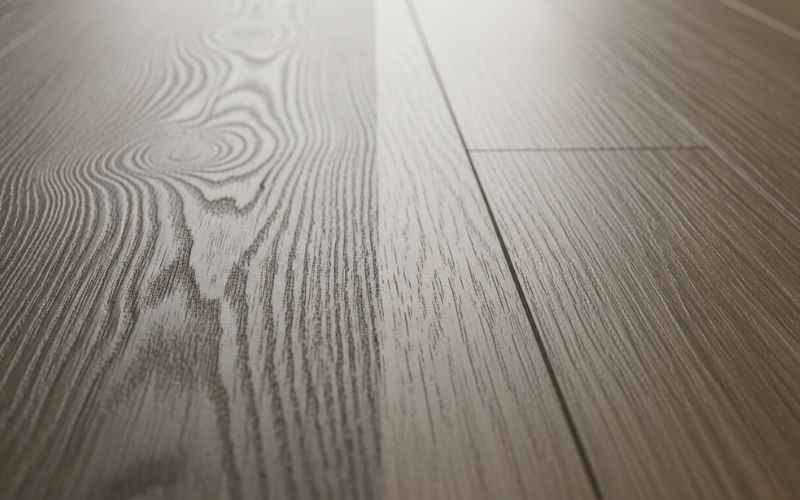
You want your guests to think you spent a fortune on real hardwood. The “look” of a floor comes from the printed image and the texture on top. Pergo usually wins in the beauty department. Because they use a hard resin top, they can press deep, realistic textures into the plank. You can feel the grain, the knots, and the imperfections of real timber. It reflects light in a way that looks very natural and expensive.
SmartCore has very high-quality images, especially in their Ultra and Pro lines. They look wonderful and offer a wide variety of colors. However, because vinyl is a bit more matte, it can sometimes look a little less like real wood when the sun hits it directly. If you are flooring a formal dining room or a primary bedroom where the “vibe” is everything, the realistic texture of Pergo might be your favorite.
Comfort and Temperature Underfoot
Standing on a cold, hard floor can make your back and legs ache. This is a common struggle during long days of cooking or cleaning. SmartCore is a “warmer” floor. Vinyl does not pull heat away from your feet as fast as laminate or tile. It also has a tiny bit of “give” or bounce. This makes it much more comfortable to walk on in bare feet during the winter months.
Pergo is a very dense and cold material. Without a very high-quality underlayment, it can feel as hard as stone. It also tends to be louder. If you have children running down the hallway, laminate can create a “clicking” or hollow sound that echoes through the house. SmartCore tends to absorb that sound, making your home feel a bit more peaceful and quiet.
Comparing Long Term Durability
A floor is a long-term investment, not a temporary fix. You want to know that your choice will still look great in ten years. SmartCore Pro is built for extreme durability. It is rated for commercial use, meaning it can handle the traffic of a busy store. Its stone core prevents heavy furniture from leaving permanent dents in the floor. This is a huge relief if you have heavy pianos or large bookshelves.
Pergo is also incredibly durable, but in a different way. It is built to resist the daily “wear and tear” of sliding chairs and falling objects. While it is harder to scratch, it can be more brittle. If you drop a very heavy cast-iron skillet, laminate might chip, whereas vinyl might just bounce. Both brands offer limited lifetime warranties for residential use, but SmartCore’s resistance to moisture gives it a slight edge in overall longevity across all rooms.
The Best Floors for Specific Rooms
Not every room has the same needs. Using the same floor throughout the whole house is a popular trend, but you must choose the one that handles the “worst” room best.
- Kitchens: This is the heart of the home and the center of spills. SmartCore is the best choice here because it handles water and heavy appliances with ease.
- Basements: Basements often have moisture coming up through the concrete. SmartCore is the only safe bet here because it will not rot or grow mildew.
- Living Rooms: Pergo shines in living areas. It provides a beautiful, high-end look that stands up to the constant movement of furniture and people.
- Bathrooms: Humidity and splashes make bathrooms a danger zone for wood-based floors. Stick with SmartCore to avoid warping near the tub or shower.
Cleaning and Maintenance Secrets
You do not want a floor that requires special waxes or expensive chemicals to look clean. Both brands are very easy to maintain, which is a major relief for busy parents. You can clean both with a simple microfiber mop and a gentle cleaner. However, there is one big difference. You can “wet mop” SmartCore without any fear. You can use a bucket of soapy water to scrub away stuck-on messes.
With Pergo, you must be careful with water. You should only use a “damp” mop. If you use too much water, it can sit in the joints and cause the edges of the planks to peak or swell over time. If you want a floor that you can clean quickly without worrying about how much water is on the mop, SmartCore makes your life much simpler.
Understanding the Wear Layer
When you look at a box of SmartCore, you will see a number followed by “mil.” This is the thickness of the clear protective layer on top. For a busy home, you should look for at least 12 mil. If you have multiple pets and kids, the 20 mil layer found in SmartCore Pro is the gold standard. It provides a thick barrier between your life and the floor’s design.
Pergo does not always use “mil” ratings because their top layer is a different material. Instead, they use an AC rating. Most Pergo floors are AC4 or AC5. These are very high ratings that mean the floor is tough enough for commercial spaces like offices or boutiques. Knowing these numbers helps you feel like an expert when talking to sales staff. It ensures you are not buying a “cheap” version that will wear out in just a few years.
Managing the Subfloor Headache
One of the biggest hidden costs of flooring is fixing the subfloor. If your subfloor is uneven, thin planks will follow the curves and eventually crack at the joints. SmartCore Pro and Ultra are very thick and rigid. They act like a bridge over small imperfections. This can save you the stress and cost of hiring someone to level your concrete or plywood before installation.
Pergo is also rigid, but because it is wood-based, it needs a very flat surface to prevent the “hollow” sound when you walk. If your floor has big dips, you will hear a “pop” every time you step on those areas. Taking the time to check your subfloor with a long straight-edge tool is the best way to ensure your new floor stays quiet and beautiful for decades.
Health and Air Quality in Your Home
You care about what your family breathes inside your home. Many old floors used chemicals that could smell or cause irritation. Both SmartCore and Pergo are very safe. SmartCore is Greenguard Gold certified. This means it has very low chemical emissions. It is tested to ensure it does not release harmful gases into your air.
Pergo is also committed to safety and uses sustainable wood sources for its core. They avoid using harmful glues that were common in the past. Choosing either brand means you are putting a safe, modern product in your home. You can let your babies crawl and your pets sleep on these floors with total confidence in their safety.
Choosing the Right Style for Your Space
The color of your floor changes the entire feel of a room. Light colors like oak or ash can make a small, dark room feel much larger and brighter. Darker colors like walnut or espresso feel cozy and formal, but they show dust and pet hair much more easily. SmartCore offers many “multi-tonal” options. These planks have different shades of brown and gray mixed together. This is a secret weapon for busy homes because it hides dirt and small debris between cleanings.
Pergo offers very traditional, classic wood looks. Their designs are often very consistent and elegant. If you want a floor that looks exactly like a high-end manor house, Pergo has the patterns to match that dream. Think about the lighting in your room before you buy. Always take a sample home and look at it in the morning light and the evening lamp light to make sure you love it.
The Sound of Your Home
A quiet home is a peaceful home. The “sound” of a floor is a pain point that many people forget until the floor is already installed. Vinyl is naturally much quieter. It has a duller sound when things drop on it. If you have a two-story home, putting SmartCore on the second floor can help reduce the sound of footsteps traveling to the rooms below.
Laminate can be noisy if you do not use a high-quality underlayment. If you choose Pergo, do not go cheap on the padding underneath. Spending a little extra on a “premium” sound-reducing underlayment will make the floor feel much more expensive and solid. It turns that “clicky” sound into a soft “thud,” which makes your home feel more substantial and high-quality.
Warranty and Trust
Both brands are owned by huge, stable companies. SmartCore is made by COREtec, which is part of Shaw Industries. Pergo is owned by Mohawk. These are the two biggest names in the flooring world. This means if you have a problem in five years, the company will still be there to answer your call. You are not buying from a “no-name” brand that might disappear next year. This stability is the ultimate form of protection for your investment.
You May Also Like: Shocking Cyclemoneyco Cash Around Hacks You Must Try
Making the Final Decision
The choice between SmartCore and Pergo comes down to your biggest fear. If your biggest fear is water damage, a difficult installation, or cold feet, SmartCore is your clear winner. It solves the moisture problem forever and lets you finish your project in a single weekend with basic tools.
If your biggest fear is scratches from a huge dog or the floor looking “fake,” Pergo is the best choice for you. It provides a harder surface and a more authentic wood texture that can handle the busiest living rooms. Both floors are massive upgrades from old carpet or dated tile. No matter which one you pick, you are moving toward a cleaner, more beautiful home.
Frequently Asked Questions
Is it safe to install SmartCore vs Pergo over an existing tile floor?
Yes, you can install both over existing tile as long as the tile is flat and firmly attached to the floor. If the grout lines in your tile are very deep or wide, you may need to fill them with a leveling compound first. This prevents the new planks from sinking into the gaps over time.
How do I fix a scratch in my vinyl or laminate floor?
For small scratches, you can use a floor repair kit that matches the color of your planks. These kits usually come with a wax stick that you rub into the scratch. For a deep gouge, the best solution is to replace the damaged plank. This is why you should always keep one extra box of flooring in your attic or garage.
Do I need a moisture barrier over concrete?
Even if a floor says it is waterproof, you should still use a 6-mil plastic moisture barrier over concrete subfloors. This prevents moisture from the ground from getting stuck under your planks and causing smells or mold. It is a very cheap way to add an extra layer of protection to your home.
When comparing SmartCore vs Pergo, which one is safer for high-traffic stairs?
Both brands offer matching “stair noses” to finish the edges of your steps. However, vinyl is often preferred for stairs because it is less slippery than laminate. It provides a bit more grip for your feet, which is a safety win for homes with children or elderly family members.
Will my floor fade in the sun?
Modern flooring is very good at resisting UV rays. Both SmartCore and Pergo have protective coatings to prevent fading. However, if a room gets hours of direct, intense sunlight every day, it is always a good idea to use sheer curtains or blinds during the hottest part of the day to protect your investment.
Disclaimer
This article provides informational content for educational purposes only. While we strive for accuracy regarding SmartCore and Pergo products, flooring specifications and warranties can change. Always consult with a licensed flooring professional or the manufacturer’s latest guidelines before starting an installation. Your specific home conditions may affect product performance. We are not liable for any damages resulting from the use of this information.