
Rare Boylecheloid Flower Every Gardener Wants
Finding a rare plant often feels like chasing a ghost in the wind. You might have seen a photo of a stunning, heart-shaped bloom and felt an instant spark. Many gardeners spend hours searching online only to find confusing names or dead ends. This frustration grows when you realize your local nursery has never even heard of it. You want something unique for your garden, but the lack of clear information makes you feel stuck.
I understand how tiring it is to hunt for a plant that seems to hide from the world. It is stressful when you cannot find the right care tips for a rare beauty. You worry about spending money on a plant only to watch it wither away. This guide will clear up the mystery and show you exactly how to grow this prized treasure. We will turn your confusion into a thriving, green sanctuary that your neighbors will envy.
The flower you are looking for is often a star in secret garden circles. It brings a sense of wonder that common daisies or roses simply cannot match. By the end of this page, you will know its true identity and the best way to keep it happy. Let’s solve the mystery of this rare bloom together so you can finally start planting.
Identifying the Boylecheloid Flower in Your Garden
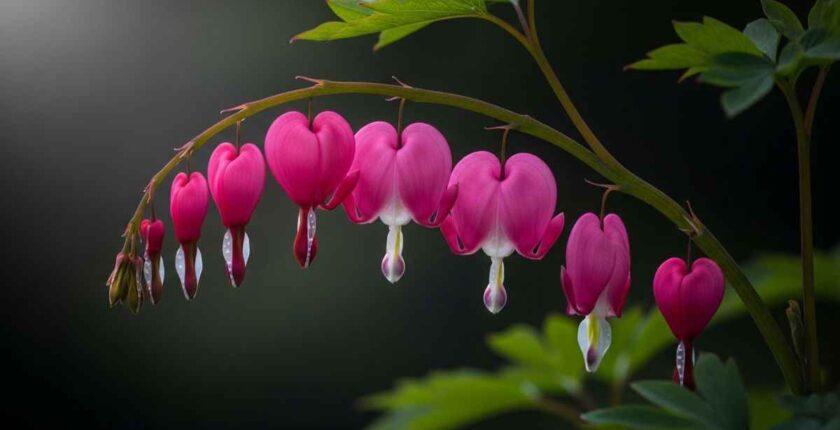
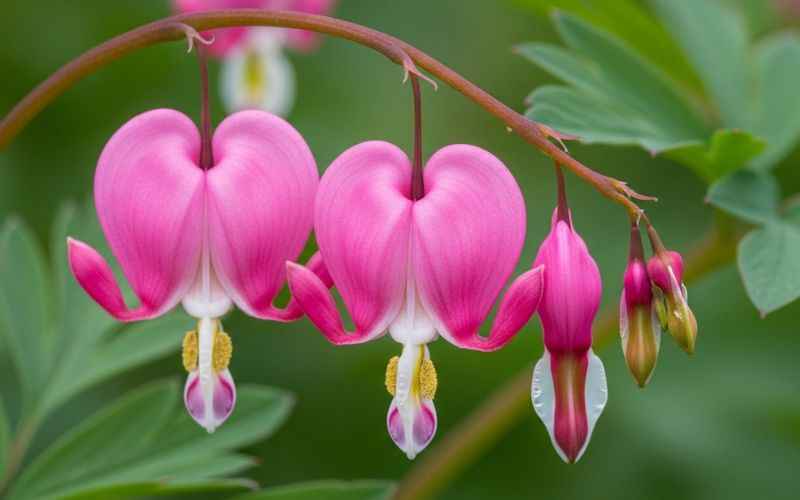
When you first see this plant, the vivid colors will likely take your breath away. It features dangling blooms that look like tiny lockets hanging from a curved stem. These flowers usually appear in late spring when the air is still fresh and cool. Many people call it a “bleeding heart” because of its distinct and delicate shape. It adds a touch of old-world charm to any shaded corner of your yard.
The leaves are just as beautiful as the flowers themselves. They have a soft, fern-like look that stays green for many months. This plant loves the quiet parts of the garden where the sun does not burn too bright. Understanding its physical traits is the first step to making sure you have the real thing. Once you see those pink and white hearts, you will know your search is finally over.
The Best Soil for a Boylecheloid Flower to Grow
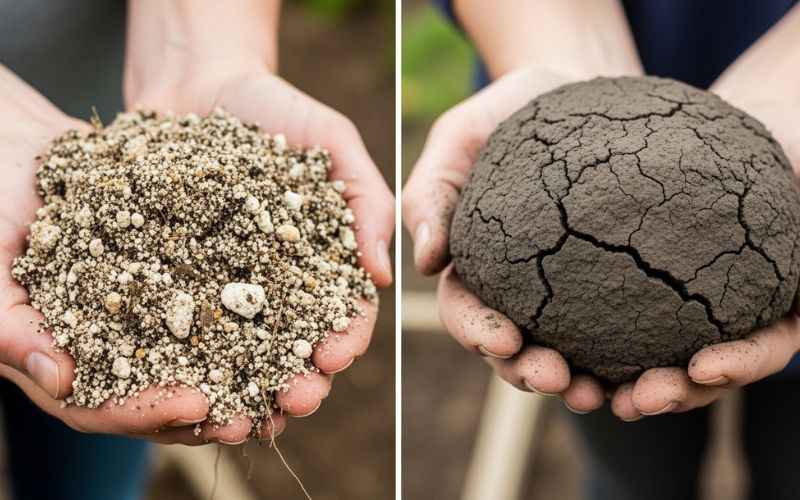
Plants need a good home to build strong roots and bright petals. This rare flower hates sitting in a puddle of water for too long. You should look for soil that feels light and crumbles easily in your hand. This is often called “well-draining” soil because it lets extra water pass through quickly. If the dirt is too heavy like clay, the roots might rot and the plant will die.
Adding a little bit of compost can make a huge difference in growth. Compost is like a healthy vitamin boost for the ground beneath your feet. It helps the soil hold just enough moisture without becoming a swamp. Mixing in dried leaves or old bark also keeps the ground airy and light. Your plant will reward this extra care with more blooms and stronger stems.
How Much Light Does This Rare Flower Really Need
Sunlight is the food that plants use to grow tall and stay healthy. However, this specific flower is a bit shy when it comes to the hot afternoon sun. It prefers “dappled” light, which is the kind of light that filters through tree leaves. Think of it like standing under a beach umbrella instead of out in the open sand. Direct heat can scorch the leaves and turn them a sad, crispy brown.
A spot on the north or east side of your house is usually perfect. This gives the plant gentle morning light but protects it from the harsh evening glow. If you live in a very hot place, deep shade might be the only way to keep it cool. Watch the leaves closely throughout the week for any signs of yellowing or spots. Adjusting the light is the easiest way to fix a struggling plant before it gets worse.
Simple Watering Tips for Healthy Blooms
Watering is where many gardeners feel the most pressure and doubt. You might ask yourself if the soil is too dry or if you are giving too much. The trick is to keep the ground feeling like a wrung-out sponge at all times. It should be damp to the touch but never muddy or dripping wet. Checking the soil with your finger is the best tool you have in your shed.
During the heat of summer, you may need to water more often than in the spring. Try to pour the water at the base of the plant rather than on the leaves. Wet leaves can sometimes lead to tiny bugs or fuzzy mold that hurts the flower. If you see the stems drooping, it is usually a cry for a quick drink. A steady routine will keep the plant calm and ready to grow.
Protecting Your Plant from Common Garden Pests
Even the most beautiful flowers have to deal with uninvited guests like bugs. Slugs and snails are the most common troublemakers for these soft, leafy plants. They love to come out at night and nibble small holes in the foliage. You might notice shiny trails on the ground where they have been crawling. It can be heartbreaking to wake up and see your rare plant looking chewed on.
You can stop these pests by placing a small barrier of crushed eggshells around the base. The sharp edges are uncomfortable for slugs, so they will stay away from your flower. Another trick is to keep the area around the plant free of fallen, rotting debris. A clean garden bed gives bugs fewer places to hide during the sunny daytime hours. Keeping your plant safe ensures that those heart-shaped flowers stay perfect all season long.
Moving and Dividing Your Plants Safely
As the years go by, your rare flower might grow too big for its original spot. This is actually a great problem to have because it means your plant is happy. You can carefully split the plant into two pieces to create even more beauty. The best time to do this is in the early spring before the new buds pop out. It feels scary to cut a plant, but it actually helps it stay young and strong.
Use a sharp shovel to lift the entire root ball out of the earth. Gently pull the roots apart into two or three clumps, making sure each piece has some green growth. Replant them immediately in their new homes and give them a big drink of water. This process helps prevent the middle of the plant from becoming woody and bare. Soon, you will have a whole row of these rare treasures for free.
Preparing for the Winter Sleep
Most gardeners worry about what happens when the first frost hits the ground. This flower is very tough and knows how to survive the cold winter months. When the weather turns chilly, the leaves will turn yellow and start to fall over. This is a natural part of the plant’s life and is nothing to be afraid of. It is simply going to sleep so it can save energy for the next year.
You can cut the dead stems back to the ground once they have turned brown. Covering the spot with a thick layer of mulch or straw acts like a warm blanket. This keeps the roots safe from freezing and thawing cycles that can crack the ground. When the snow melts and the birds return, you will see green tips poking through the dirt again. Your patience during the winter will be rewarded with a fresh burst of color.
Why This Flower Makes a Perfect Gift
Sharing a rare plant is a wonderful way to show someone you care about them. Because it is not found in every yard, it feels like a very special and thoughtful present. It symbolizes a deep connection and a love for the natural world around us. Giving a small pot of this flower to a friend can start a brand new hobby for them. They will think of you every time they see those unique hearts dancing in the breeze.
It is also a great plant for teaching children about how nature works. The “magic” shape of the flower captures their imagination and makes them want to learn more. You can show them how to check the soil and look for new growth each morning. Creating these memories is just as valuable as the flowers themselves. This rare bloom truly is a gift that keeps on giving back to the world.
Designing a Garden Around Your Rare Bloom
Since this flower loves the shade, you can pair it with other plants that like the dark. Hostas and ferns are the best friends for this rare heart-shaped beauty. The large, wide leaves of a hosta provide a great background for the delicate stems. Mixing different shades of green makes the pink or white flowers pop out even more. It creates a lush, forest-like feeling right in your own backyard.
Try planting them in a spot where you can see them from a window or a porch chair. Their beauty is meant to be enjoyed during a quiet morning coffee or a sunset walk. You can even place them along a stone path to guide people through your garden. A well-placed rare flower acts like a piece of living art for everyone to see. Your garden will become a place of peace and rest for your whole family.
Common Mistakes to Avoid with Rare Flowers
Even the best gardeners make mistakes sometimes, and that is okay. One big error is planting this flower in a spot with too much wind. The stems are very thin and can snap if the breeze is too strong and fast. Try to find a sheltered area near a fence or a large bush to keep it safe. Protecting it from the wind keeps the plant looking neat and upright.
Another mistake is forgetting to label where you planted it during the winter. Since the plant disappears underground, it is easy to accidentally dig it up later. Placing a small stake or a flat stone nearby will remind you where the “secret” spot is located. This prevents any accidents when you are doing your early spring cleaning and weeding. Small steps like this save you a lot of heartache and wasted time in the long run.
Solving the Mystery of Yellowing Leaves
If your plant’s leaves start turning yellow in the middle of summer, do not panic. This is often just the plant finishing its job for the season after blooming is done. It does not always mean the plant is sick or dying from a lack of care. If the rest of the garden is still green, your rare flower might just be taking an early nap. This is very common for shade-loving plants that prefer the cool spring air.
However, if the yellowing comes with mushy stems, you might be watering too much. Always double-check the moisture in the ground before you reach for the garden hose. If the soil smells sour, it needs more air and less liquid to recover. Fixing the drainage can often bring a struggling plant back to life in a few weeks. Learning these small signs makes you a true expert in your own backyard.
You May Also Like: The Ultimate Guide to Nikki Guidish: Secrets You Didn’t Know!
The Joy of Watching Your Garden Bloom
There is a special feeling that comes from seeing a rare plant thrive under your care. It proves that with a little bit of knowledge, anyone can grow something beautiful. You no longer have to feel confused or overwhelmed by the names and needs of rare flowers. You have the tools, the plan, and the confidence to create a stunning display. Every new bloom is a small victory that makes all the hard work worth it.
Your garden is a reflection of your patience and your love for the earth. By choosing a rare flower, you are making the world a more interesting and colorful place. Neighbors will stop to ask you about your secret, and you can share your wisdom with them. You are now the mentor that other gardeners will look to for advice and inspiration. Enjoy the peace and the beauty of your rare heart-shaped treasures today.
Common Questions About the Rare Boylecheloid Flower
How long do these unique heart flowers stay in bloom?
The blooming season usually starts in late spring and lasts for several weeks. If the weather stays cool and the soil remains damp, the flowers can linger into early summer. Once the heat of July arrives, the plant naturally begins to fade and prepare for its summer nap. Providing deep shade can sometimes help the flowers stay fresh for a few extra days.
Can I grow this rare flower in a pot on my porch?
Yes, this plant grows very well in containers as long as the pot has holes for drainage. A pot allows you to move the flower to the shadiest part of your porch as the sun moves. Use a high-quality potting mix that does not get too heavy or packed down. Remember that plants in pots dry out faster than those in the ground, so check the moisture daily.
Is the Boylecheloid flower safe to have around pets and children?
It is important to know that this plant can be harmful if someone eats it. Both the leaves and the flowers contain natural chemicals that may cause an upset stomach. Some people also find that the sap irritates their skin, so wearing gloves while pruning is a smart choice. Keep it in a spot where curious pets or small children cannot easily reach the stems.
What should I do if my plant disappears in the middle of summer?
Do not worry if your plant seems to vanish when the temperature rises. This is a survival trick called dormancy where the plant hides underground to escape the heat. It is not dead; it is simply resting its roots for the next spring season. Avoid digging in that area so you do not accidentally damage the crown of the plant while it sleeps.
Does this plant need a lot of fertilizer to produce flowers?
You do not need to use harsh chemicals to get beautiful blooms from this rare plant. A thin layer of organic compost spread around the base in early spring is usually enough. If you choose to use a store-bought feeder, pick one that is balanced and apply it at half-strength. Too much food can cause the leaves to grow fast while the flowers stay small and weak.
Disclaimer:
The information provided about the boylecheloid flower is for educational purposes only. While we strive for accuracy, gardening results vary based on climate and soil. This content does not replace professional horticultural or medical advice regarding plant toxicity. Always use caution when handling rare species. The author is not liable for any loss or skin irritation caused by following these tips. Verify local safety for pets before planting.