
How to Install Freedor2.4.6.8: Step-by-Step Safety Guide
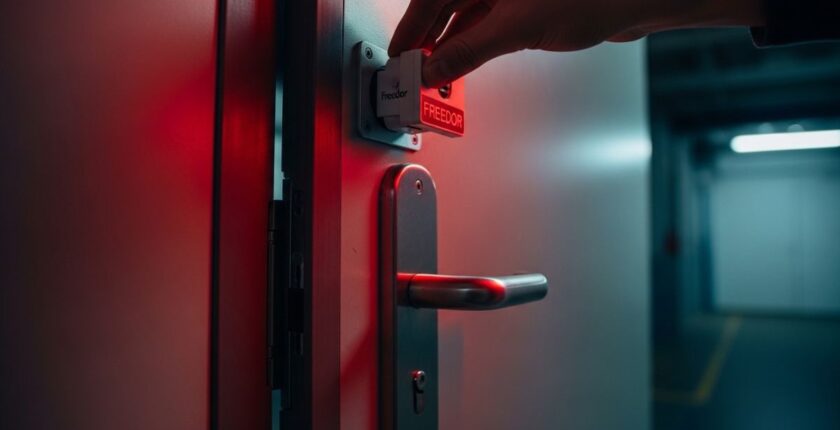
Heavy fire doors are hard to move. Many people use wedges to keep them open, but this is a major safety risk. If a fire starts, these doors must close to stop smoke and flames. This guide shows you exactly How to Install Freedoor2.4.6.8 to fix these problems and keep your building safe.
Freedor 2.4.6.8 Technical Specifications
| Feature | Detail |
| Model Name | Freedor SmartSound (Revision 2.4.6.8) |
| Power Source | 9V Alkaline Battery Pack |
| Door Weight Limit | Up to 80kg (Power Size 4) |
| Compliance | EN 1154, EN 1155, EN 1634 |
| Trigger Type | Acoustic (SmartSound Technology) |
What is Freedor and Why This Version Matters
Freedor is a wireless device that fits at the top of a fire door. It uses “free-swing” technology to make heavy doors feel weightless. You can leave the door open at any angle, and it will stay there. Unlike older models, you do not have to fight a heavy spring every time you walk through.
The 2.4.6.8 revision is an update to the internal software. It uses better sound filtering to tell the difference between a fire alarm and background noise. This stops the door from closing when there is no emergency. It is a smart solution for care homes, schools, and offices.
Factual Cons and Red Flags
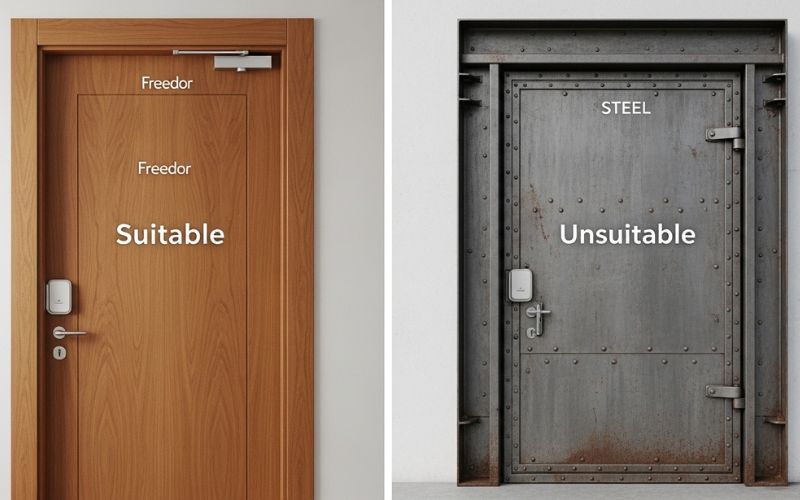
Before you start, check your door type. Freedor 2.4.6.8 is made for timber doors only. Do not use it on steel or lead-lined doors because they are too heavy. Installing it on the wrong door will cause the unit to fail.
Critical Warning: Check the gap between the door and the frame. It should be between 3mm and 4mm. If the gap is too small, the door might bind and fail to close. Also, avoid using this device on external doors where strong wind can interfere with the closing mechanism.
How to Install Freedoor2.4.6.8 Step-by-Step
Installing this unit takes about 20 minutes with basic tools. Follow these steps for a perfect setup.
Step 1: Positioning the Template
Tape the paper template to the top corner of the door on the hinge side. If the door opens toward you, use the “Pull Side” marks. If it opens away, use the “Push Side” marks. Mark your drill holes clearly with a pencil.
Step 2: Mounting the Base Unit
Drill small pilot holes to stop the wood from splitting. Screw the main Freedor unit onto the door leaf. Ensure the unit is perfectly level so the internal sensors work correctly. A crooked unit may fail to “hear” the alarm.
Step 3: Fitting the Arm and Bracket
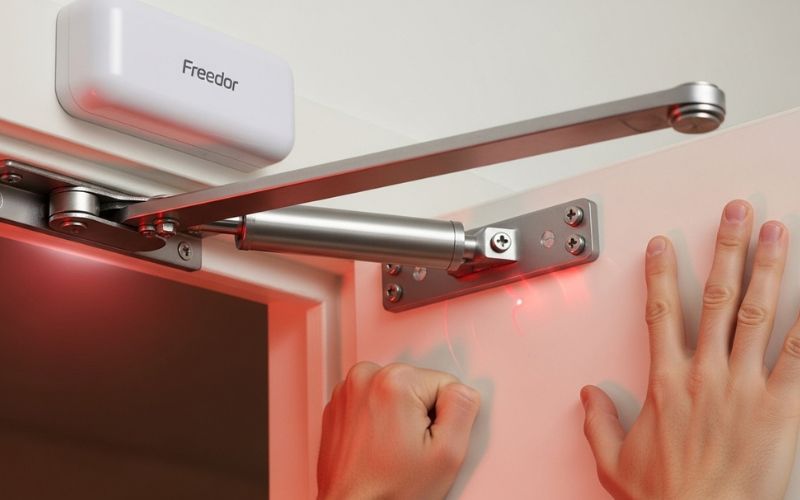
Attach the arm bracket to the door frame. Connect the arm to the main unit. The arm must sit at a 90-degree angle to the door when it is closed. This ensures there is enough tension to shut the door during a fire.
Step 4: Powering the Device
Snap the 9V battery into the clip. Do not pinch the wires when you close the cover. You will hear a short beep, which means the system is ready to learn your alarm.
Calibrating the SmartSound Sensor
You must “teach” the unit to recognize your fire alarm. Open the door and press the “Learn” button. Set off your fire alarm for 30 seconds. The Freedor will record the specific frequency.
The unit will flash green once it records the sound. It will now only release the door when that specific alarm sounds. If it fails, check for loud background noise or refer to BSI sound standards.
Comparison: Freedor vs. Dorgard
Dorgard is a small unit that sits at the bottom of the door and holds it in one spot. Freedor 2.4.6.8 is better because it allows the door to move freely at any angle. It is also a “standalone” unit, unlike the FireAngel Pro which requires a wireless radio link.
Expert Safety Verdict
Freedor 2.4.6.8 is highly recommended for interior timber fire doors. It solves the struggle of heavy doors in high-traffic areas. Do not use it if your door is wider than 1250mm. Always follow building codes like the Regulatory Reform (Fire Safety) Order 2005 for proper fire door maintenance.
Recommended Maintenance Schedule
- Weekly: Test the unit during your regular fire alarm check.
- Monthly: Clean the acoustic sensor with a dry cloth.
- Yearly: Inspect the arm tension and screws for any signs of loosening.
Tools Required for Installation
You only need a few basic tools to complete this task. Having these ready will make the work much faster and prevent mistakes.
- Power Drill: Use this with a small drill bit to make pilot holes. This prevents the wood from cracking when you drive in the screws.
- Screwdriver: A manual screwdriver is best for the final tightening. This helps you feel the tension so you do not strip the screw heads.
- Spirit Level: Use this to check that the main unit is perfectly flat. A level unit ensures the arm moves smoothly without sticking.
Common Installation Mistakes to Avoid
Many users run into trouble because of simple errors during setup. Knowing these ahead of time will help you get it right the first time.
Over-Tightening the Arm
One common error is tightening the arm bolt too much. If the bolt is too tight, the door will not swing freely. The door should feel light and easy to move. If it feels heavy, try loosening the arm connection slightly.
Ignoring the Battery Clip
When you put the 9V battery inside, ensure the wires are tucked away from the edges. If the wires get pinched by the plastic cover, the unit may lose power or short circuit. Always check that the battery light is blinking before you finish.
Frequently Asked Questions
Why does my Freedor beep?
This usually means the battery is low. Replace it with a new 9V Alkaline pack.
Can I use this on a glass door?
No, the screws will not work. You need a specialized glass-mount closer.
How do I reset the 2.4.6.8 version?
Hold the “Learn” button for ten seconds until the light flashes red.
Does it work with wireless alarms?
Yes, as long as the alarm is steady and louder than 65 decibels.
You May Also Like:
Apeoplesmap.org Services: How to Save Your Community’s History
Mynetbookdirect: The Complete 2026 Beginner’s Guide
For More Information, visit JobsKeeda
Disclaimer
This guide is for information only. We want to help you understand how this safety tool works. However, fire safety is very serious. You must follow the rules from the maker and your local fire office. We are not responsible for any damage or injuries. Always check with a professional to make sure your fire doors are legal and safe to use.