

Apeoplesmap.org Services: How to Save Your Community’s History
Many people worry that family stories and local traditions will disappear forever. Traditional history books often focus on famous leaders and forget the regular neighbors who built the town. This can make residents feel disconnected from their own roots.
Apeoplesmap.org services offer a clear solution to this problem. The platform provides a digital space where anyone can save and share local memories. By putting stories on a map, it turns a city into a living record. This guide explains how you can use these tools to protect your heritage.
Quick Facts: Apeoplesmap.org at a Glance
| Service Feature | Details |
| Primary Goal | Digital community history and storytelling |
| Content Types | Photos, text stories, and audio clips |
| Main Users | Local historians, students, and neighborhoods |
| Technical Requirement | Basic internet and an email address |
| Map Type | Interactive and community-led |
What is Apeoplesmap.org?
A Peoples Map is different from a standard street map. While most apps help you find a store, this service helps you find a story. It is a digital tool that relies on user-generated content to let communities mark specific spots with personal memories. This creates a record that comes directly from the people who live there.
The platform focuses on making history available to everyone. It is not just for experts in museums. Every person has a memory that is worth saving. The simple design ensures that even those who struggle with computers can contribute.
Essential Services for Communities
Interactive Story Mapping
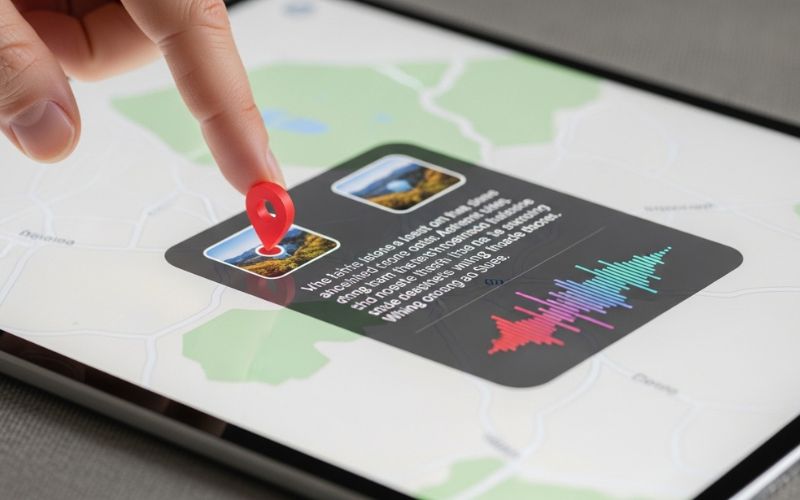
The core service allows users to place markers on a digital map. When a visitor clicks a marker, a window opens to show a photo or a written story. This makes exploring a neighborhood feel like a guided tour through time.
Digital Archive Hosting
Storing old photos in a shoebox is risky because they can be lost or ruined. This service hosts these items online. It keeps your community’s photos and audio interviews safe in a searchable archive.
Community Engagement Tools
The platform helps neighbors talk to each other about their shared past. It allows different people to add their own views to the same location. This builds a more complete picture of what life was like in years past.
Is This the Right Tool for You?
Who This is Best For
This service is perfect for local library groups or school history clubs. It is great for anyone who wants to collect stories from elders. Small nonprofits also use it to show the cultural value of a neighborhood.
Who Should Avoid It
If you need a map for driving directions or GPS tracking, this is not the right tool. It is also not meant for storing private data. Everything on a Peoples Map is shared with the public.
Comparison with Alternatives
Most digital tools like Google My Maps are made for business or travel. They do not have a good way to store long stories or audio. Apeoplesmap.org services focus strictly on the narrative and the emotional connection to a place.
Step-by-Step: How to Use Apeoplesmap.org Services
Step 1: Researching Your Area
Before using the tool, talk to your neighbors. Look for old photos in local archives or family albums. Identify specific buildings or parks that have a deep meaning to the people nearby.
Step 2: Creating an Account
The sign-up process is very short. You only need an email address to get started. Once you are logged in, you can start creating your own project or adding to an existing one.
Step 3: Adding Your First Point
Click on the map where your story took place. You can then write a clear description of the event. Be sure to upload a photo or a short audio clip to help others see the history.
Step 4: Sharing the Project
A map is better when more people join in. Send the link to your map to local schools or community centers. Encourage others to add their own markers to the project.
Overcoming Common Challenges
Solving the Technical Fear
Many residents worry they cannot use digital tools. The interface uses simple buttons and clear labels. You do not need to know how to code to build a historical map.
Verifying Stories
Sometimes two people remember the same event differently. This is okay. The service allows multiple stories at one spot. This shows that history has many sides and makes the map more interesting.
Internet Access and File Size
If your local internet is slow, try to keep photos under 5MB. Smaller files upload much faster. You can also write your stories in a text file first and copy them over once you have a good connection.
Why Digital Mapping Matters Today
Digital mapping helps people care about where they live. Seeing a photo of a school from 50 years ago makes history feel real. It creates a sense of pride that can help improve a neighborhood.
It also acts as a permanent backup for the town. If a physical archive is damaged, the digital version survives. Using apeoplesmap.org services ensures that the soul of a community is never lost.
Starting Your Mapping Journey
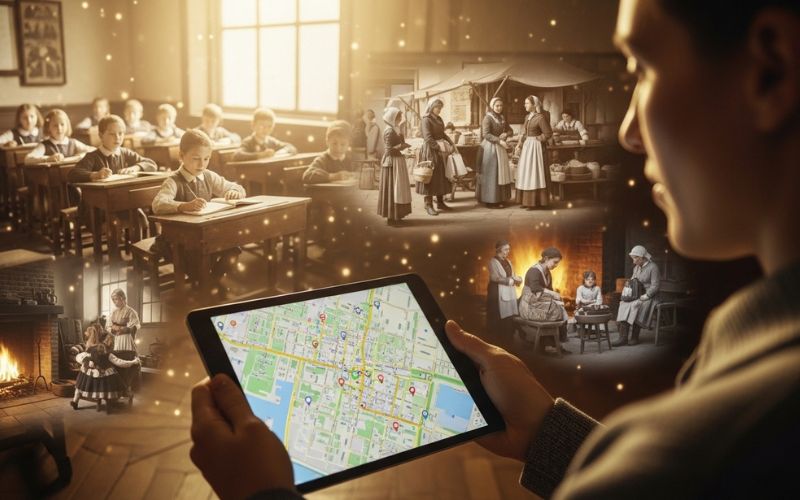
Using apeoplesmap.org services is a simple way to preserve local history. It gives every neighbor a voice and saves precious memories for the future. By following these steps, you can start building a digital legacy for your community today.
Frequently Asked Questions (FAQ)
Is there a cost to use the mapping services?
Most basic community projects can use the site for free or at a very low cost.
Can I keep my map points private?
The main goal of the site is public sharing, so most points are visible to everyone.
What kind of files can I upload to the map?
You can upload common image files like JPEGs and audio files like MP3s.
Do I need a smartphone to contribute?
No, you can add information using a regular desktop computer or a tablet.
How do I fix a mistake on a map point?
You can log into your account at any time to edit the text or change the photo.
You May Also Like:
Ontpress Freshupdates: The Complete Guide to Mastering Real-Time Digital News
Mynetbookdirect: The Complete 2026 Beginner’s Guide
For More Information, visit JobsKeeda
Disclaimer
The information on this website is for general learning only. We provide this content as a helpful tool to guide you. However, we are not history experts or legal advisors. We do not guarantee that the information here is perfect or complete. You should always use your own judgment before starting a community project. We are not responsible for any issues that happen from using our site.