

Understanding WHOIS Tech: A Complete Guide to Website Lookups
Many people feel confused when they see terms like trwho.com tech in their search history or browser. It is a common struggle to find a clear answer about what these terms mean. You might worry if your data is safe or if you are looking at a tool for experts only. This guide will solve that mystery. We will explain how website lookups work and how you can use them safely.
Fact Table: Quick Overview of Website Tech Lookups
| Category | Information |
| Primary Function | Checking website ownership and “tech stacks” |
| Common Tools | Who.is, BuiltWith, ICANN Lookup |
| User Ease | Simple (No technical skills needed) |
| Key Use Case | Verifying if a business is real or safe |
| 2026 Status | Most personal data is now hidden by privacy laws |
What are Website Tech Lookups?
A website tech lookup is a way to find “behind-the-scenes” info about a site. In simple terms, it acts like a phone book for the internet. It helps you see who owns a website and what software that site uses to run.
The term trwho.com tech often appears when people search for “WHOIS” records. WHOIS is the official system used to store website ownership data. You do not need to be a computer expert to use these tools. They are built for anyone who wants to verify a business or see how a blog was built.
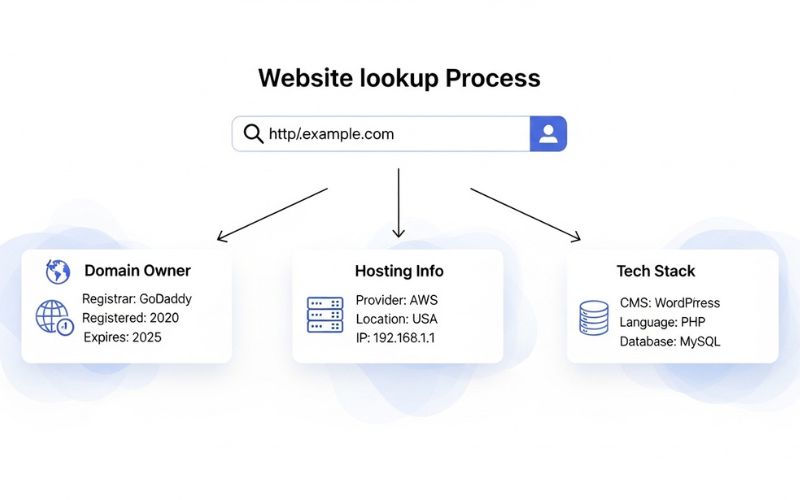
How Technical Lookups Work Step-by-Step
Using these tools is very straightforward. Here is how they help you find answers:
Step 1: Finding Domain Ownership
When you enter a website name, the tool searches the global WHOIS database. It shows the date the site was created and when it will expire. This is the best way to see if a site is brand new or has been around for many years.
Step 2: Identifying the Tech Stack
Tools like BuiltWith look at the code of a site. They identify the “tech stack,” which includes the hosting company (like Bluehost) and the platform (like WordPress). Knowing this helps you understand if a site is fast or secure.
Step 3: Checking Server Location
The lookup shows where the website’s computer, or server, is located. This can help you know if a company is truly based in your country or operating from somewhere else.
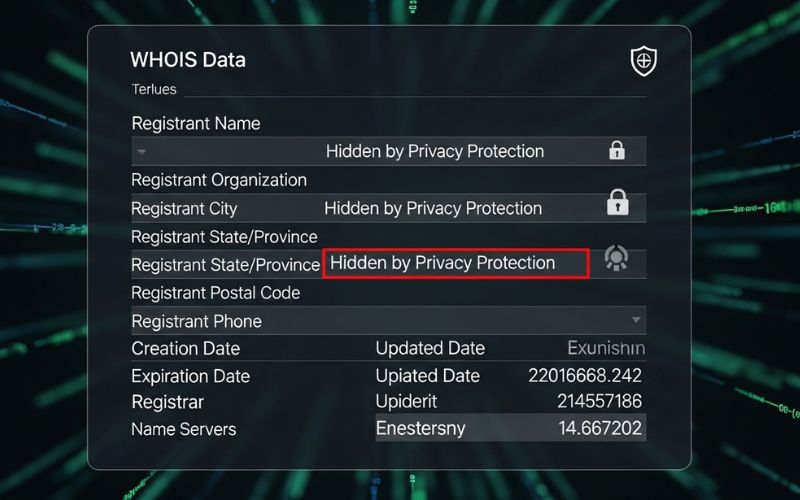
Unique Angle: Why Some Data is Missing (The Privacy Gap)
A big drawback in 2026 is that you cannot always see a person’s name or phone number. This is due to privacy laws like GDPR.
Who Should Use These Tools?
- Bloggers: See what themes or plugins other successful sites are using.
- Shoppers: Check the age of an online store before you give them your money.
- Job Seekers: Verify that a company website is old and established.
Real Problems and Limitations
Most website owners now use “Privacy Protection.” If they do, the lookup will only show the name of a privacy company. Also, the data might not update every single second. If a site just changed owners today, the tool might not show it until tomorrow.
Practical Usage: How to Stay Safe Online
Follow these steps to get the best results without any technical headaches:
- Use Trusted Sites: Only use well-known tools like Who.is or ICANN Lookup.
- Enter a URL: Type the website address you want to check into the search bar.
- Review the Age: If a site claims to be a famous brand but was only made last week, stay away.
- Stay Private: Never enter your own passwords or bank info into a lookup tool. These sites are only for reading public data.
Comparison: Best Tools for Website Research
| Feature | ICANN Lookup | BuiltWith | Basic WHOIS |
| Best For | Official Dates | Technical Software | Quick Owner Checks |
| Ease of Use | Very Easy | Moderate | Easy |
| Detail Level | High (Official) | Very High (Tech) | Basic |
| Cost | Free | Free / Paid | Free |
Why This Matters for Digital Professionals
If you work online, your website is your digital storefront. Knowing what tools your competitors use gives you a big advantage. It also helps with SEO (Search Engine Optimization). For example, if all top-ranking sites use a specific hosting service, you might want to check it out. These tools make your research simple and fast.
Conclusion: Final Thoughts on Website Tech Lookups
We hope this guide solved your confusion about trwho.com tech and website lookups. You now know that these are safe tools for checking website details. They help you see who is behind a site and what technology they use.
By using these steps, you can verify businesses and stay safe from scams. You no longer have to wonder what is happening behind the screen. You have the tools to get the right answers quickly.
FAQ Section
Is it free to check website information?
Yes, most basic searches are free. You do not have to pay to see when a site was made or who is hosting it.
Does a lookup show my private home address?
No. In 2026, most personal addresses are hidden by privacy settings. Only the technical details of the website stay public.
What is the best alternative to trwho.com tech searches?
The most reliable tool is the ICANN Registration Data Lookup. It is the official source for all domain names.
Can I see who a competitor’s host is?
Yes. Lookups will list the Name Servers or the Hosting Provider. This tells you where the website’s files are stored.
Do I need to install any software?
No. All major lookup tools work directly in your web browser. You just visit the site and type in the URL.
You May Also Like:
Betechit.com Tech: Your Simple Guide to Smart AI and Better Tools
Is 18335421564 a Scam? How to Stay Safe from Toll-Free Caller Fraud
For More Information, visit JobsKeeda
Disclaimer:
This article is for informational use only. We do not provide legal or professional advice. While we try to share accurate data, technology and privacy laws can change fast. Always verify important details with official sources before making business or financial decisions. We are not responsible for any actions taken based on this content. Use these tools at your own risk.